

Looking to add a stylish touch to your room or make your space feel bigger? A wall mirror is an easy and effective way to do just that.
But how do you attach it securely without damaging your walls or risking it falling? You’re about to discover simple, foolproof steps that anyone can follow. Whether your mirror is heavy or light, this guide will help you hang it safely and perfectly.
Keep reading to learn how to transform your space with a mirror you can trust to stay put.
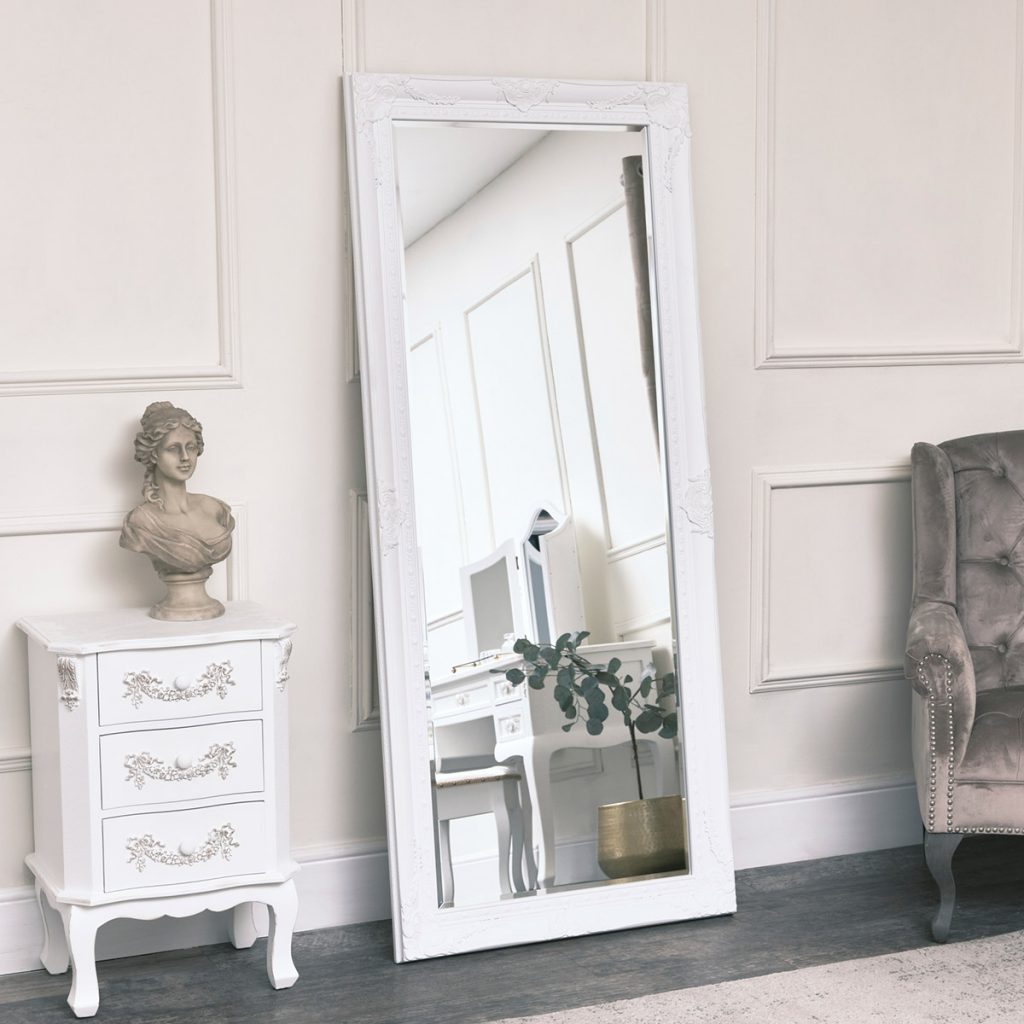
Credit: www.melodymaison.co.uk
Choosing The Right Mirror
Choosing the right mirror is key to a great wall display. It affects your room’s style and function. A good mirror fits your space well and matches your decor. Think about where you want to hang it and how you will use it. This helps narrow down your choices. Focus on size, shape, and frame to find the perfect mirror.
Types Of Wall Mirrors
Wall mirrors come in many styles. Round, square, and rectangular shapes are common. Some mirrors have plain edges, while others have decorative frames. There are also full-length mirrors for bedrooms and small ones for bathrooms. Choose a type that suits the room’s purpose and design.
Considering Mirror Size And Weight
Size matters for both look and safety. A large mirror can make a room feel bigger. But it must fit the wall space well. Weight is important too. Heavy mirrors need strong anchors or hooks. Check your wall type before picking a mirror. Lightweight mirrors are easier to hang and move.
Selecting The Frame Style
The frame adds character to your mirror. Wooden frames bring warmth and a classic feel. Metal frames offer a modern and sleek look. Some frames are simple; others are ornate. Match the frame style with your room’s furniture and colors. The right frame ties the room together nicely.
Preparing The Wall
Preparing the wall is the first step to hang a mirror safely and neatly. A well-prepared wall ensures the mirror stays secure and looks great. Taking time here prevents damage and keeps the mirror stable. Follow these steps to get your wall ready.
Finding The Ideal Spot
Choose a spot where the mirror fits well. Think about height and lighting. Avoid areas with direct sunlight to stop fading. Make sure the spot is near a power outlet if you want lights behind the mirror. Use a pencil to mark the spot lightly.
Checking Wall Material
Identify your wall type before hanging the mirror. Drywall, plaster, brick, and tile all need different tools. Use a stud finder on drywall to find strong support points. For brick or tile, use anchors and screws made for hard surfaces. Knowing the material helps pick the right hanging method.
Cleaning The Surface
Clean the wall where the mirror will hang. Dust and dirt stop adhesives from sticking well. Use a cloth with mild soap and water. Let the wall dry completely before you proceed. A clean surface gives a strong hold and avoids marks under the mirror.
Gathering Tools And Materials
Gathering the right tools and materials is the first step to hang a wall mirror safely. Using proper tools makes the job easier and prevents damage to your walls or mirror. Prepare everything before starting to save time and avoid interruptions.
Check the mirror’s size and weight. This helps in choosing the right hardware. Organize your workspace for quick access to tools during the process.
Essential Hanging Tools
Start with a tape measure to mark the exact spot on the wall. Use a level to keep the mirror straight. A pencil helps to mark points without damage.
A drill is necessary for making holes in the wall for screws. Screwdrivers tighten screws securely. A stud finder locates strong wall studs for heavy mirrors.
Safety glasses and gloves protect you from dust and sharp edges. Have a step stool or ladder for high spots. Keep all tools within reach to work smoothly.
Selecting Appropriate Hardware
Choose hardware based on the mirror’s weight and wall type. Light mirrors may only need simple hooks or adhesive strips.
Heavy mirrors require anchors, screws, or wall plugs for extra support. Drywall needs anchors that expand inside the wall. Brick or concrete walls need masonry screws or anchors.
Check the packaging for weight limits on all hardware. Using the right hardware ensures the mirror stays secure and safe. Avoid using nails alone for heavy mirrors to prevent accidents.

Credit: thediyplaybook.com
Marking And Measuring
Marking and measuring are the first steps to hang a wall mirror safely. These steps help place the mirror correctly and keep it stable. Taking time to measure and mark ensures the mirror looks good on the wall. It also prevents damage to the wall or mirror.
Measuring Mirror Placement
Start by deciding where the mirror should go. Measure the height from the floor to the spot you want the mirror’s center. Use a tape measure for accuracy. Check the wall space around the mirror. Make sure it fits well without crowding other items. Mark the center point lightly with a pencil. This point guides the mirror’s placement.
Marking Drill Points
Next, find where the screws will go. Hold the mirror against the wall at the center mark. Use a level to keep the mirror straight. Mark the drill points through the mirror’s hanging holes. Use a pencil to make small marks. Double-check these marks with the level. Adjust if needed. These marks show where to drill holes for anchors or screws.
Installing The Hardware
Installing the hardware is a key step to hang your wall mirror safely. This process ensures your mirror stays secure and looks great on the wall. Follow simple steps for best results.
Drilling Holes
Mark the wall spots where the mirror will hang. Use a pencil and a level for straight alignment. Choose a drill bit that matches the size of your anchors. Drill slowly to avoid cracks or damage to the wall.
Inserting Anchors And Screws
Push wall anchors into the drilled holes. Tap gently with a hammer if needed. Anchors hold the screws firmly in drywall or plaster. Insert screws into anchors, leaving a small gap to hang the mirror.
Attaching Hanging Brackets
Fix hanging brackets to the back of the mirror. Use screws that come with the mirror hardware kit. Ensure brackets are tight and aligned. These brackets will hook onto the screws on your wall.
Hanging The Mirror
Hanging a mirror on the wall is a simple task with the right steps. It needs care to avoid damage and ensure it stays secure. Follow these instructions to hang your mirror safely and neatly.
Lifting And Positioning
Lift the mirror carefully using both hands. Large mirrors may need a second person. Hold the mirror close to the wall. Position it at the spot you want to hang it. Check the height and alignment before moving to the next step.
Leveling The Mirror
Use a level tool to check the mirror’s alignment. Place the level on the top edge of the mirror. Adjust the mirror until the bubble is centered. This step ensures the mirror is straight and looks good. A crooked mirror can spoil the room’s look.
Securing The Mirror In Place
Secure the mirror using hooks, nails, or anchors. Make sure the hardware matches the mirror’s weight. Attach the mirror to the wall firmly. Double-check that it does not wobble. This keeps your mirror safe and stable over time.
Safety Tips And Troubleshooting
Attaching a wall mirror requires care and attention to safety. Mistakes can cause damage to walls or injury. Follow these safety tips and troubleshooting steps for a smooth, safe installation. Protect your walls and yourself while hanging your mirror securely.
Avoiding Wall Damage
Use the right tools for your wall type. Drywall needs anchors to hold heavy mirrors. Avoid hammering nails directly into drywall without anchors. Measure twice before drilling or hammering. Mark spots carefully to prevent unnecessary holes. Use a level to keep the mirror straight. Take your time to avoid mistakes. Patch small holes with spackle after hanging the mirror.
Dealing With Uneven Walls
Uneven walls make mirrors tilt or wobble. Use shims behind the mirror to balance it. Foam pads or rubber bumpers can help stabilize. Check the mirror’s position with a level. Adjust shims or pads until the mirror sits flat. For very uneven walls, consider professional help. Proper support prevents mirror damage and wall marks.
Handling Heavy Mirrors Safely
Heavy mirrors need strong support. Use wall anchors rated for the mirror’s weight. Ask for help when lifting large mirrors. Never hang heavy mirrors on weak drywall alone. Secure the mirror with screws into studs whenever possible. Wear safety gloves to protect your hands. Keep the area clear to avoid accidents. Take it slow to prevent dropping the mirror.

Credit: thediyplaybook.com
Frequently Asked Questions
How Do I Attach A Wall Mirror Securely?
To attach a wall mirror securely, use strong wall anchors and screws. Measure and mark the wall precisely. Use a level for alignment. Choose anchors suitable for your wall type. Always ensure the mirror’s weight is supported properly to avoid accidents.
What Tools Are Needed To Hang A Wall Mirror?
You need a drill, screwdriver, measuring tape, level, pencil, and wall anchors. These tools help ensure precise placement and secure mounting. Using the right tools prevents damage and keeps your mirror stable and safe on the wall.
Can I Hang A Mirror On Drywall Without Studs?
Yes, use heavy-duty wall anchors or toggle bolts for drywall. These provide strong support without needing studs. Make sure to check the mirror’s weight and choose anchors rated accordingly to prevent falls or wall damage.
How High Should A Wall Mirror Be Hung?
Hang a wall mirror at eye level, typically 57-60 inches from the floor. This height suits most people and rooms. Adjust height based on furniture placement and mirror size for the best visual balance and functionality.
Conclusion
Attaching a wall mirror is easier than it seems. Use the right tools and follow steps carefully. Measure and mark the spot before drilling. Choose anchors that fit your wall type. Check the mirror’s level to avoid crooked hanging. Take your time and work safely.
A well-placed mirror brightens and enlarges your room. Enjoy the fresh look your mirror brings. You can do this with confidence and care. Keep these tips handy for your next project.