

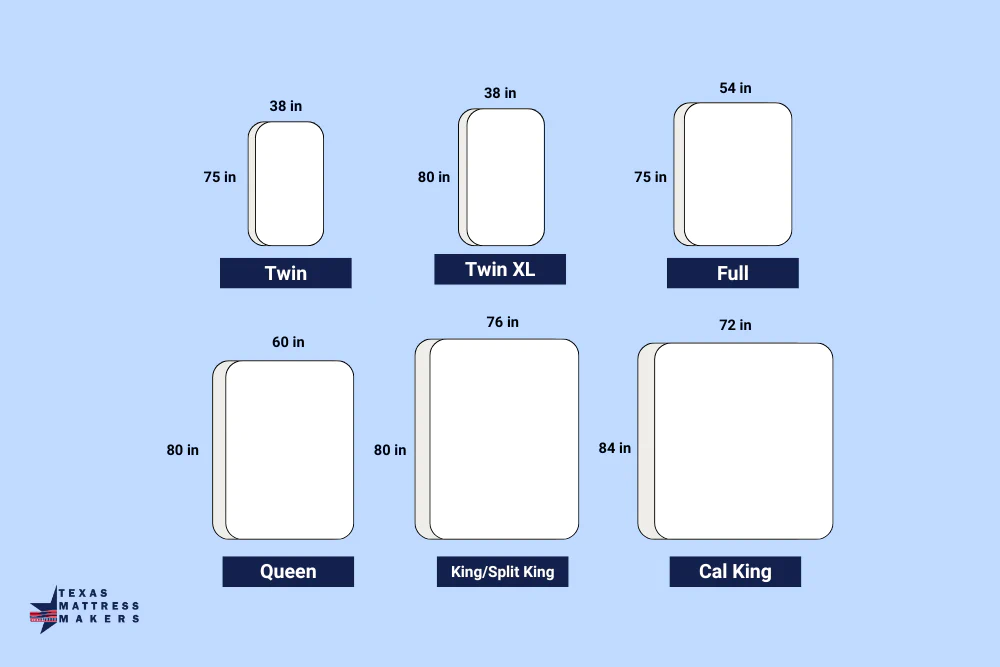
A standard twin mattress measures 38 inches wide by 75 inches long.
If you’ve ever asked how big are twin mattresses, you’re in the right place. I’ve helped families pick beds and fitted sheets for over a decade, and I’ll explain exact dimensions, comparisons, real-world uses, and practical tips. This guide breaks down measurements, differences between twin and twin XL, bedding fit, room planning, and buying advice so you can choose the right twin mattress with confidence.
Twin mattress dimensions explained
A standard twin mattress measures 38 inches wide and 75 inches long. In metric, that’s about 96.5 cm by 190.5 cm. Twin mattresses are the narrowest common adult mattress sold in the U.S.
Key dimension facts:
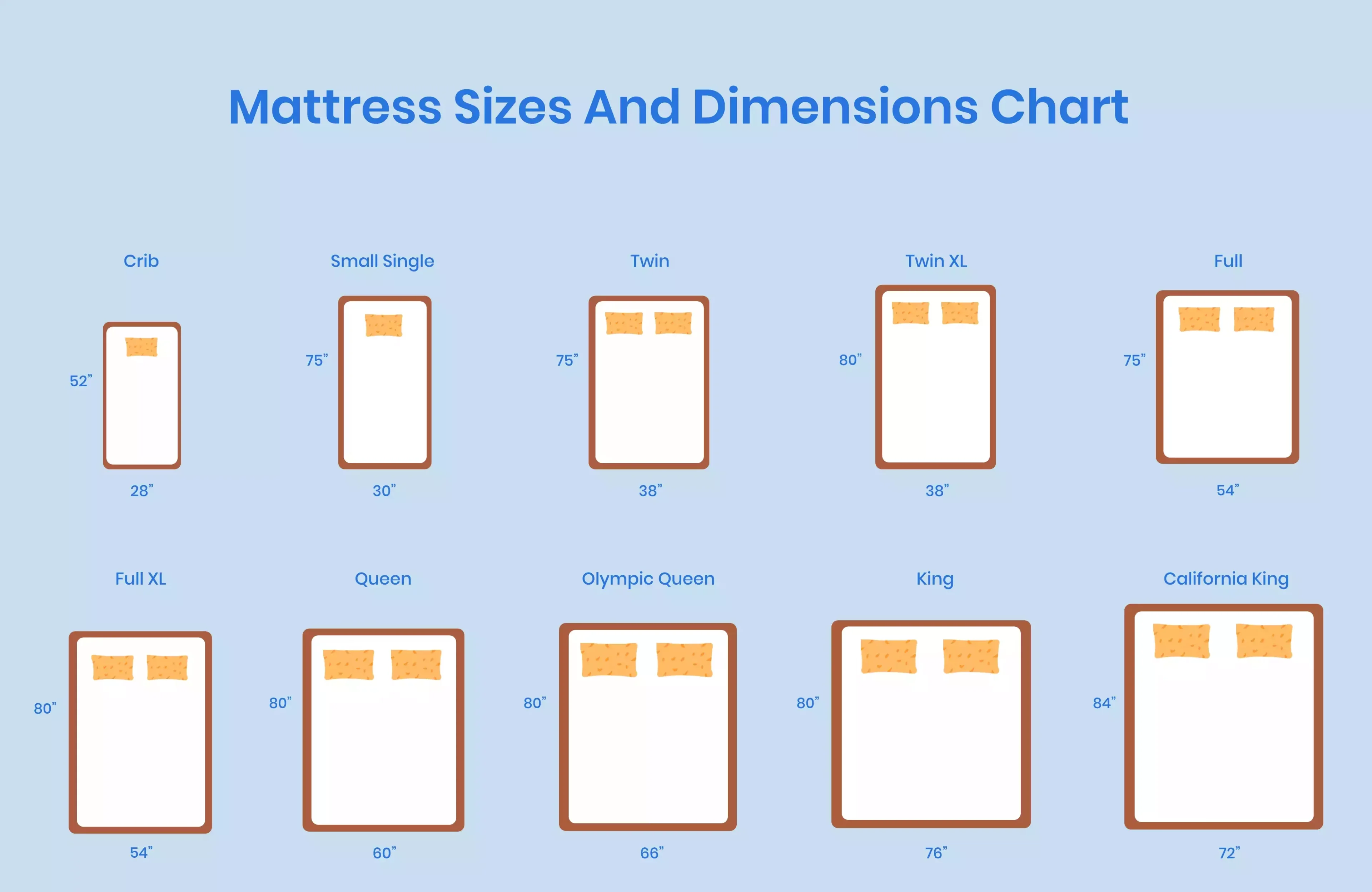
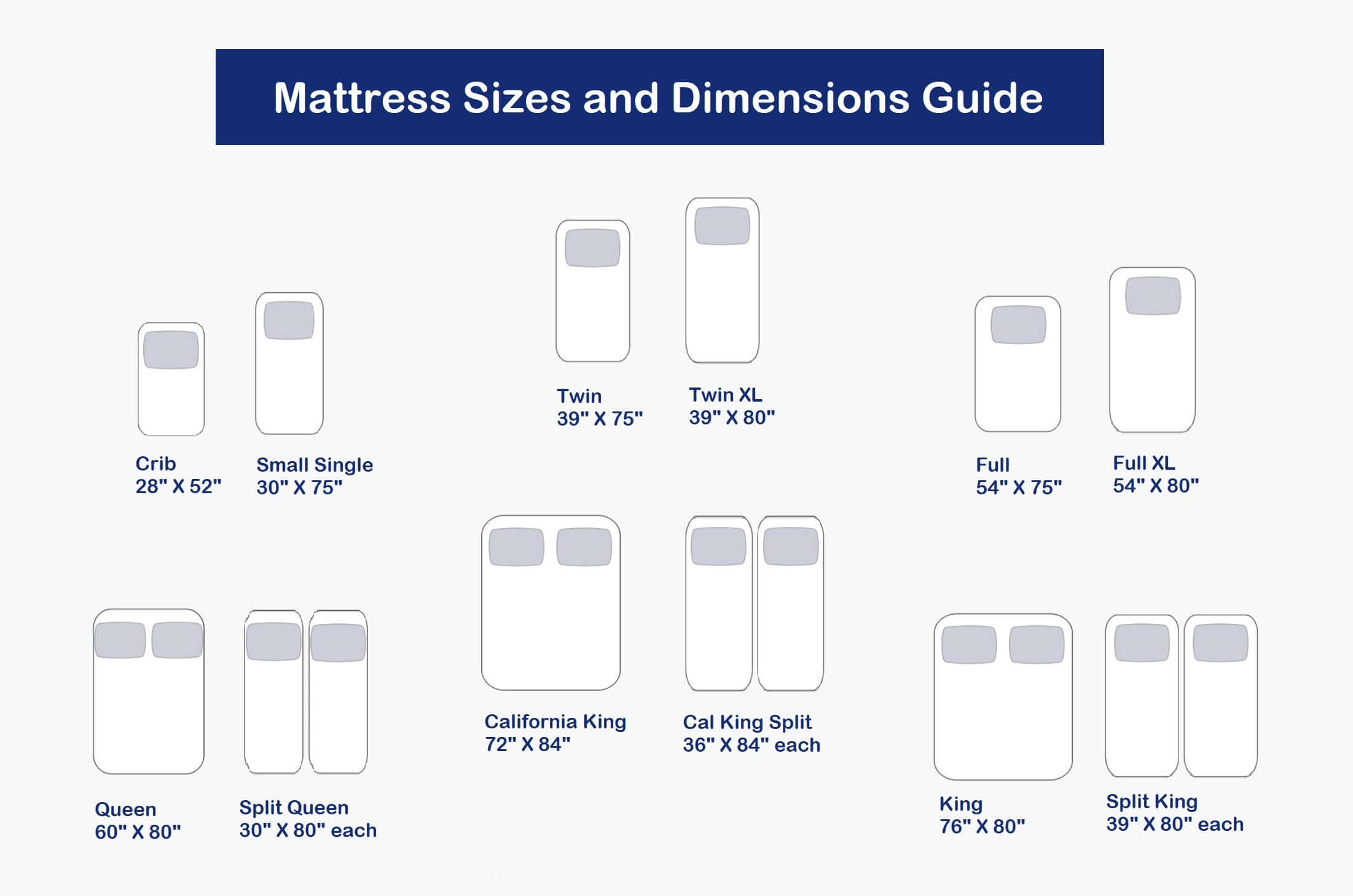
- Standard twin size: 38 inches x 75 inches (96.5 cm x 190.5 cm).
- Area: about 19.8 square feet (1.84 square meters).
- Twin XL size: 38 inches x 80 inches (adds 5 inches of length).
- Typical mattress depths: 6 to 14 inches, which affects fitted sheet fit.
Why these numbers matter:
- Knowing how big are twin mattresses helps you pick sheets, frames, and a room layout.
- The compact width makes twin mattresses ideal for small rooms, kids, and single sleepers.
- The length is a key factor for taller people—this is where twin XL often becomes the better choice.
Twin vs twin XL: which size fits your needs
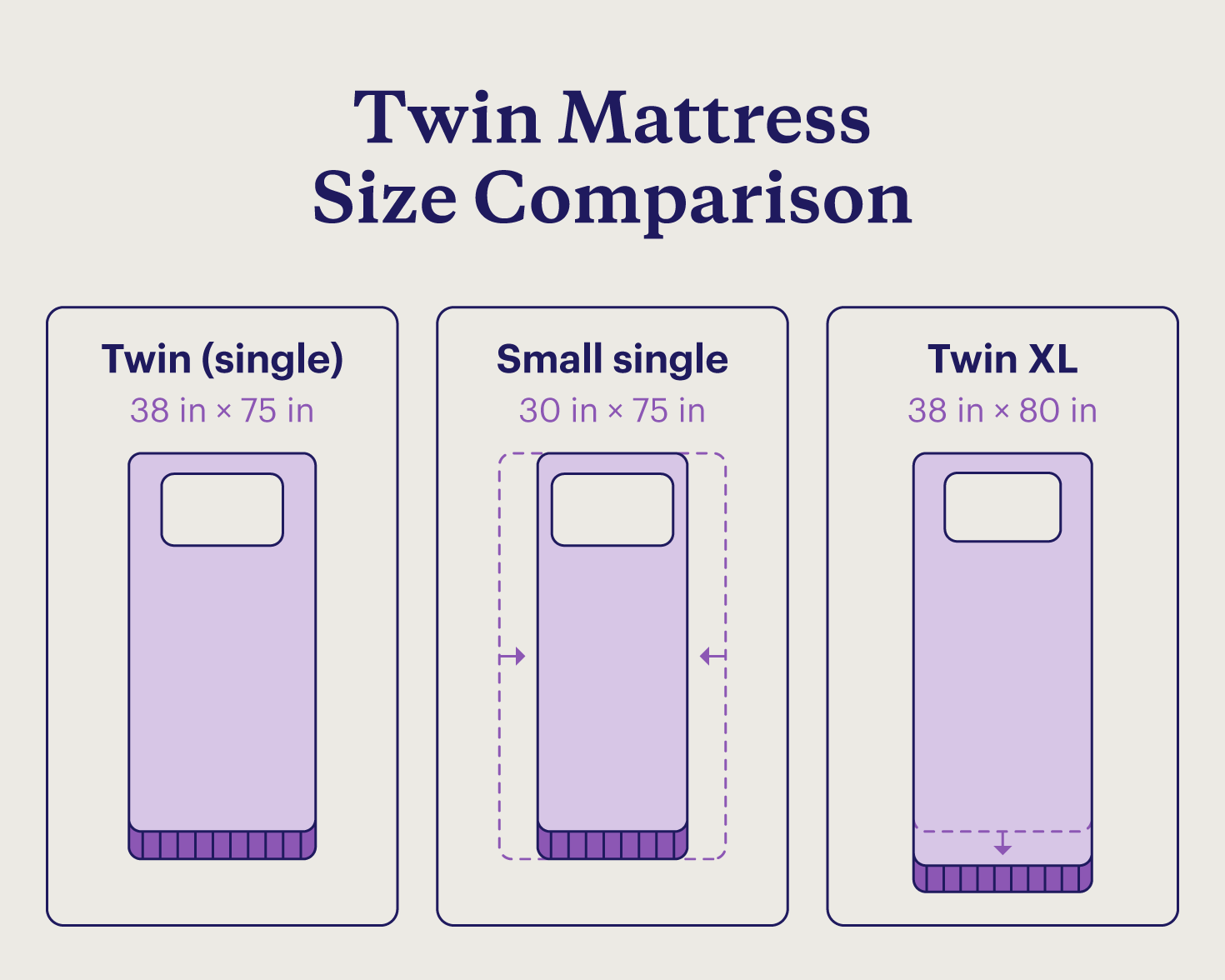
Both twin and twin XL are 38 inches wide. The big difference is length.
- Twin: 75 inches long. Good for most children and adults under about 6 feet.
- Twin XL: 80 inches long. Better for taller teens and adults.
Who should choose which:
- Kids and small adults: standard twin. It saves space and costs less.
- Teens, college students, and adults over 6 feet: twin XL for comfort.
- Bunk beds and trundle beds: usually use standard twin, but check frame specs.
Practical note:
If you plan to reuse bedding or move the mattress to a college dorm, consider twin XL. Many dorms provide twin XL beds.

Mattress thickness and sheet fit
Thickness does not change the mattress footprint, but it affects bedding fit and comfort.
- Common thicknesses: 6, 8, 10, 12, 14 inches.
- Deep-pocket sheets are needed for thicker mattresses and toppers.
- A mattress topper can add 2 to 4 inches; always measure total depth before buying sheets.
How to pick sheets:
- Measure mattress height from top to bottom including topper.
- Choose fitted sheets labeled with a pocket depth equal to or slightly larger than the mattress height.
- Use straps or sheet suspenders if sheets slip on thin mattresses.

Bed frames, foundations, and room planning
When you ask how big are twin mattresses, consider the full bed footprint.
- Bed frame adds width and length, often a few inches each way.
- Headboards and footboards can increase total space needed.
- Slatted frames and platform beds may change mattress support needs.
Room-size recommendations:
- For a tight single room, allow at least 2 to 3 feet of walk space on one side.
- Minimum recommended room for a twin: 7 feet by 10 feet to fit furniture and movement.
- For shared space or more furniture, aim larger.
Practical moving tips:
- Measure doorways, stair turns, and elevators before delivery.
- Remove bed slats or legs if needed to carry a mattress through narrow halls.
Best uses and pros/cons of a twin mattress
Common uses:
- Kids’ bedrooms and guest rooms.
- Bunk beds and trundle beds.
- Small apartments and home offices that double as guest rooms.
- College dorms (twin XL more common in dorms).
Advantages:
- Space-saving and budget-friendly.
- Easy to move and handle.
- Fits many frames and bunk systems.
Drawbacks:
- Narrow for two adults.
- Short length can be uncomfortable for tall sleepers.
- Less surface area for spreading out.

Buying tips: what to measure and check
Follow these steps before purchase:
- Measure room length and width and mark where the bed will sit.
- Measure doorways and stairways for delivery clearance.
- Check intended frame or bunk for mattress thickness limits.
- Decide between twin and twin XL based on sleeper height.
- Choose sheets and protectors that match measured depth.
Practical shopping tips:
- Lie on the mattress in-store for at least 10 minutes if possible.
- Look for trial periods and return policies for online buys.
- Consider a mattress protector to extend life and simplify cleaning.
My experience: lessons from fitting twin mattresses
I once bought a standard twin for a teen who outgrew the bed within two years. Lesson learned: always account for growth and future use. I now recommend twin XL for teens who may keep the bed into adulthood. Also, I found deep-pocket sheets save time and frustration with thicker mattresses.

Frequently Asked Questions of how big are twin mattresses
What are the exact dimensions of a standard twin mattress?
A standard twin mattress measures 38 inches wide by 75 inches long (96.5 cm x 190.5 cm). Depth varies but footprint stays the same.
How much bigger is a twin XL than a twin?
A twin XL adds 5 inches in length, making it 38 inches by 80 inches. The width remains 38 inches for both sizes.
Can two adults sleep on a twin mattress comfortably?
Most adults will find a twin mattress too narrow for two people. For couples, a full or larger size is usually better.
What room size is best for a twin mattress?
A small room of about 7 feet by 10 feet can fit a twin bed with minimal furniture. For more comfort and storage, choose a larger room.
Do twin mattresses fit most bunk beds and trundles?
Yes, most bunk beds and trundle frames use standard twin mattresses. Always verify frame specs before buying.
Will fitted sheets labeled "twin" fit a twin XL?
No, fitted sheets for standard twin are usually too short for twin XL. Buy sheets labeled twin XL for the longer size.
Conclusion
Now you know how big are twin mattresses and how to choose the right one for your space and sleeper. Use the measurements and tips above to plan your room, pick proper sheets, and avoid common mistakes. Take practical action: measure your room, decide between twin and twin XL, and check mattress depth before buying. If this helped, leave a comment or subscribe to get more mattress and bedroom layout tips.