

You’ve just lit your favorite jar candle, filling your space with a cozy glow and calming scent. But when it’s time to put it out, you might wonder: What’s the best way to do it without making a mess or ruining the candle?
Blowing it out can cause smoke and melted wax to splatter, while cutting off oxygen the wrong way might damage the wick. You’ll discover simple, safe, and effective tips to extinguish your jar candle perfectly every time. Keep reading to protect your candle and enjoy its warm ambiance longer.

Credit: www.youtube.com
Extinguishing Techniques
Extinguishing a jar candle safely is important for both your home and the candle’s life. Using the right technique stops smoke and keeps the wick ready for next use. Some methods work better than others. Here are three simple ways to put out a jar candle properly.
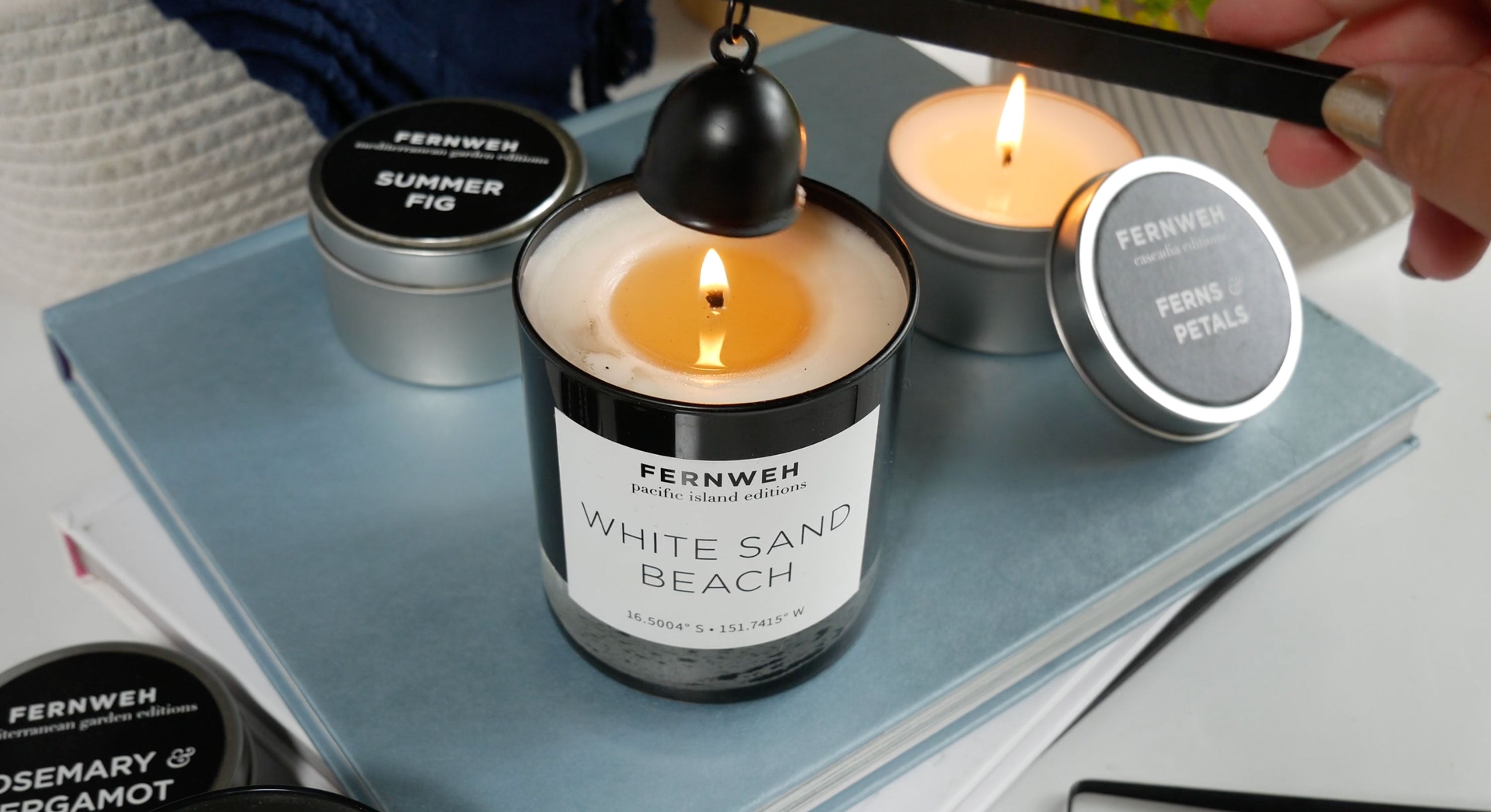
Snuffing The Flame
Snuffing means using a candle snuffer tool to cover the flame. This cuts off the oxygen and puts out the flame quickly. It helps avoid smoke and protects the wick. Snuffers are easy to use and safe for all candle types. Just place the snuffer over the flame until it goes out.
Using A Candle Lid
Placing the candle’s metal or glass lid on top can also stop the flame. This method blocks air from feeding the fire. Wait a few seconds for the flame to die out completely. This technique works well if your jar candle has a fitted lid. It also traps the scent inside the jar.
Dipping The Wick
Dipping means pushing the burning wick into melted wax, then pulling it back up. This puts out the flame without smoke. It also coats the wick with wax, helping it burn evenly next time. Use a metal tool or a wick dipper for this method. Avoid blowing on the flame to prevent smoke and wax splatter.
Safety Measures
Safety is the top priority when putting out a jar candle. Taking the right steps protects your home and keeps you safe. It also helps the candle last longer and stay clean. Follow these simple safety measures every time you put out your candle.
Avoiding Smoke And Soot
Blowing out a candle can cause smoke and soot. This can stain walls and hurt your lungs. Use a candle snuffer to gently cover the flame. This stops smoke and keeps the air clean. Let the wick rest for a moment before lighting again. Keep the wick trimmed to reduce soot build-up.
Handling Hot Wax
Wax inside a jar candle gets very hot. Avoid touching the jar right after you blow out the candle. Hot wax can cause burns if spilled or touched. Wait until the wax cools and hardens before moving the candle. Use a stable surface to prevent spills and accidents.
Preventing Fire Hazards
Never leave a candle burning unattended. Keep candles away from curtains, papers, and other flammable items. Always place the jar candle on a heat-resistant surface. Make sure the candle is out before going to bed or leaving the room. Having a fire extinguisher nearby is a smart safety step.
Maintaining Candle Quality
Maintaining candle quality helps your jar candle burn longer and safer. Proper care keeps the scent strong and the wax clean. Small habits make a big difference in candle life.
Trimming The Wick
Trim the wick before each use. Cut it to about 1/4 inch. This stops the flame from getting too big. A smaller flame means less smoke and soot. It also helps the candle burn evenly.
Cooling Before Relighting
Let the candle cool completely before lighting it again. Hot wax can cause uneven burning. Cooling helps the wax harden smoothly. This keeps the wick steady and the scent fresh.
Storing Candles Properly
Store candles in a cool, dark place. Keep the lid on if your jar has one. This stops dust from settling on the wax. Avoid places with strong smells that can mix with your candle’s scent.
Credit: fernweheditions.com
Common Mistakes To Avoid
Putting out a jar candle might seem easy. Still, many make simple mistakes that can cause smoke, mess, or safety risks. Knowing what to avoid helps keep your candle safe and your room clean.
Blowing Out Directly
Blowing out a candle can cause hot wax to splash. It also creates a lot of smoke. This smoke can leave a bad smell on your walls and furniture. Instead, use a candle snuffer or gently dip the wick into the wax to put out the flame.
Using Water To Extinguish
Pouring water on a candle is dangerous. Water can cause hot wax to splatter and may break the glass jar. It can also create steam and burn you. Always avoid water and use safe tools designed for candles.
Leaving Candles Unattended
Never leave a burning candle alone. Unattended candles can cause fires if something falls on them. Keep candles away from curtains, papers, and pets. Always watch your candle until it is fully out and cooled.

Credit: www.reddit.com
Frequently Asked Questions
How Do You Safely Extinguish A Jar Candle Flame?
To safely put out a jar candle, use a candle snuffer or gently blow it out. Avoid splashing hot wax by not blowing too hard. This method prevents smoke and preserves the wick for longer use.
Can You Use Water To Put Out A Jar Candle?
No, avoid using water to extinguish a jar candle. Water can cause hot wax to splatter, creating a safety hazard. Instead, use a snuffer or gently blow out the flame to prevent accidents and damage.
Why Should You Avoid Blowing Out Jar Candles Harshly?
Blowing out a jar candle too hard can cause hot wax to splash. It also produces more smoke and soot, which may stain surfaces. A gentle blow or candle snuffer is the best way to minimize mess and hazards.
What Is The Best Tool To Extinguish Jar Candles?
A candle snuffer is the best tool to put out jar candles. It safely cuts off the oxygen supply, stopping the flame without smoke or wax splatter. Snuffers also protect the wick, extending candle life.
Conclusion
Putting out a jar candle safely is simple and quick. Snuffing the flame stops smoke and keeps the wick neat. Using a lid to cover the candle also works well. Avoid blowing hard to prevent wax splatter. Always keep candles away from flammable items.
Let the candle cool before moving it. These easy steps help you enjoy candles safely every time. A little care makes a big difference. Try these tips for your next candle use.