

Best material for bathroom furniture is typically moisture-resistant engineered wood or marine-grade plywood.
Imagine finishing a weekend bathroom refresh only to find swollen cabinet doors, bubbling veneer, or mold at the baseboard within months. I’ve seen homeowners and DIYers wrestle with the wrong choices. Choosing the right material fixes water damage, avoids costly replacements, and keeps your space looking sharp for years.
Bamboo Toilet Stool (Collapsible)

I like the collapsible bamboo toilet stool for its natural look and sturdy feel. It folds flat, so storage is easy. The non-slip strips help keep it safe on damp bathroom floors.
The stool’s bamboo construction makes it more water-resistant than standard MDF. It is lightweight yet solid. I found it comfortable for users of all ages.
Pros:
- Natural bamboo resists humidity better than untreated wood
- Collapsible design saves storage space
- Non-slip strips provide safe use on wet floors
- Lightweight and easy to move between bathrooms
- Simple, clean aesthetic that fits many styles
Cons:
- Bamboo still needs occasional sealing in very humid bathrooms
- Not as water-proof as plastic or metal options
- Finish may wear over heavy, daily use without care
My Recommendation
If you want a tasteful, eco-friendly stool that stands up to steam better than plain wood, this bamboo option is a smart pick. I recommend it for small bathrooms and powder rooms where occasional splashes occur but not direct spray. Bamboo rates well among the best material for bathroom furniture for balance of look and moisture tolerance.
I advise periodic oil or sealant application in very humid homes. This keeps the finish protected and extends life. That small routine keeps bamboo competitive with engineered woods when you want a natural aesthetic.
| Best for | Why |
|---|---|
| Eco-friendly look | Natural bamboo finish fits organic designs |
| Small bathrooms | Collapsible and easy to stow |
| Occasional use | Durable but needs light maintenance |
Mini Wooden Dollhouse Set

This 34-piece wooden dollhouse furniture set is tiny and crafted for hobbyists. Pieces include tiny bathroom benches, tubs, and cabinetry. I found the scale and finish good for display projects and model rooms.
Though not for real bathrooms, the set showcases the look of wood furniture in miniature. It helps visualize textures and finishes before choosing materials for full-size pieces. The set is a low-cost way to test a style palette.
Pros:
- Great for visualizing wood finishes and layouts
- Good scale and detail for craft projects
- Solid feel for a miniature set
- Affordable way to test color and tone choices
- Encourages planning before a real purchase
Cons:
- Not functional for real bathroom use
- Small parts require careful handling
- Finishes may not mirror real-world moisture performance
My Recommendation
If you plan a full bathroom remodel, this dollhouse kit can help you test the visual impact of wood tones and layout ideas. I use similar miniatures to preview contrasts between light engineered wood and darker veneers. It’s a practical step in choosing the best material for bathroom furniture when you want to pair color, texture, and hardware before investing.
The set is best for designers, hobbyists, and decorators. It helps me decide if I prefer a warm bamboo look, a painted MDF, or a stained real wood finish in a wet room. For material decisions, personalizing the tiny set shows me how finishes react under staged lighting.
| Best for | Why |
|---|---|
| Design testing | Visualize finishes and layout before purchase |
| Hobby projects | Detailed parts for craft displays |
| Budget planning | Low-cost way to preview material choices |
Mini Bathroom Toilet Set (2 Pieces)
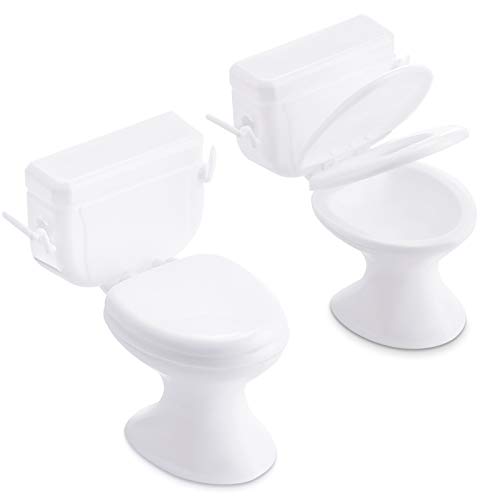
These two miniature toilet seats are basic, white, and classic. They work well in small displays and cake toppers. I keep a set in my workshop for quick mockups when I test paint or glaze choices.
The tiny toilets help me evaluate color contrasts and reflectivity of white finishes. While they don’t speak to moisture performance at full scale, they help me choose trim and hardware finishes. They’re cheap and handy tools for idea validation.
Pros:
- Simple, clean white finish for neutral testing
- Very affordable for trial runs
- Small size makes them handy for lighting and color checks
- Useful as props in design mockups
- Durable for repeated handling
Cons:
- Miniature scale not indicative of real material performance
- No real insight into moisture resistance
- Not suitable for structural testing
My Recommendation
Use these mini toilets when you want a quick sense of how whites and glazes will look under bathroom lighting. I often pair them with a small wood or laminate swatch to test visual balance. While they won’t tell you which is the best material for bathroom furniture from a durability standpoint, they help with aesthetic choices and color coordination.
Designers and hobbyists will find them most useful. They are a fast, low-cost way to preview finishes before committing to a larger sample. I keep them for quick decisions on paint sheen and tile pairings.
| Best for | Why |
|---|---|
| Quick aesthetic checks | See white tones under lighting |
| Cake toppers & crafts | Small, neat white props |
| Paint testing | Combine with swatches for quick tests |
Microfiber Cleaning Cloths (20 Pack)

I keep a stack of microfiber cloths in every bathroom. They absorb water fast and dry quickly. They remove soap scum and water spots without heavy chemicals.
These cloths help maintain cabinets, mirrors, and fixtures. I use them after showers to wipe down surfaces to reduce moisture exposure to wood and engineered materials. That small habit extends the life of bathroom furniture, especially when you choose the best material for bathroom furniture.
Pros:
- Highly absorbent, reducing moisture buildup on surfaces
- Lint-free finish good for mirrors and glass
- Machine washable and reusable for cost savings
- Quick-drying to limit mold and mildew growth
- Safe for wood, laminate, and metal finishes
Cons:
- Require regular washing to remain sanitary
- Cheap variants may shed fibers over time
My Recommendation
If you own cabinetry made from engineered wood, MDF with moisture-resistant coatings, or real wood sealed properly, these microfiber cloths are essential. I use them daily to remove residual water. Regular wiping helps any material last longer and keeps cabinets, drawers, and laminate tops looking new.
Making a habit of wiping dry is one of the best, low-cost ways to protect your investment. Combining the right material choice with consistent maintenance makes the best material for bathroom furniture perform far beyond its base expectations.
| Best for | Why |
|---|---|
| Daily maintenance | Quickly remove water to prevent damage |
| Mirror and glass care | Lint-free finish for streakless shine |
| Furniture protection | Helps preserve finishes on wood and laminate |
FAQs Of best material for bathroom furniture
Which material handles humidity best?
Engineered wood with moisture-resistant cores and marine-grade plywood are top picks. They resist swelling better than standard MDF or particleboard. Sealed real wood also works if you apply waterproof finishes. I often choose engineered plywood in humid climates.
Is real wood a poor choice for bathrooms?
Real wood is not inherently poor. It needs proper sealing and ventilation to prevent warping. I recommend sealed hardwoods or engineered wood veneers over raw wood in wet areas. With correct finish and care, real wood can be lovely and long-lasting.
Are plastics and laminate better than wood?
High-density plastics and laminate tops resist water and are low maintenance. They score high for durability and cleaning ease. However, they can lack warmth and resale appeal that wood offers. I balance aesthetics and performance based on room use and budget.
How do I choose the best material for bathroom furniture for my budget?
Set priorities: durability, look, and maintenance. For tight budgets, moisture-resistant MDF or PVC cabinetry is affordable. Mid-range choices include engineered wood with waterproof veneer. For longevity and higher resale value, go with marine-grade plywood or sealed hardwoods.
Do finishes matter as much as the base material?
Yes — finishes protect the base. A top-quality finish on engineered wood can outperform raw hardwood with poor sealing. I always recommend a durable sealant and regular upkeep. Proper finish and daily care often matter more than the raw material alone.
Final Verdict: Which Should You Buy?
For most homeowners, engineered wood or marine-grade plywood sealed with a quality finish offers the best mix of moisture resistance and style. It ranks highest among the best material for bathroom furniture choices in 2026.
Pair the right material with daily wiping and good ventilation to extend life. Choose based on budget, design tastes, and how wet the room gets.