

Replace or adjust the flapper, fill valve, or chain—most running toilets can be fixed without a plumber.
I’ve fixed dozens of toilets at home and on quick calls for friends. This guide shows simple, safe steps and clear checks for how to fix a running toilet without a plumber. You’ll learn quick diagnostics, step-by-step fixes, common mistakes, and when a pro is really needed. Read on—these fixes save water, time, and money.
Why toilets run and what to check first
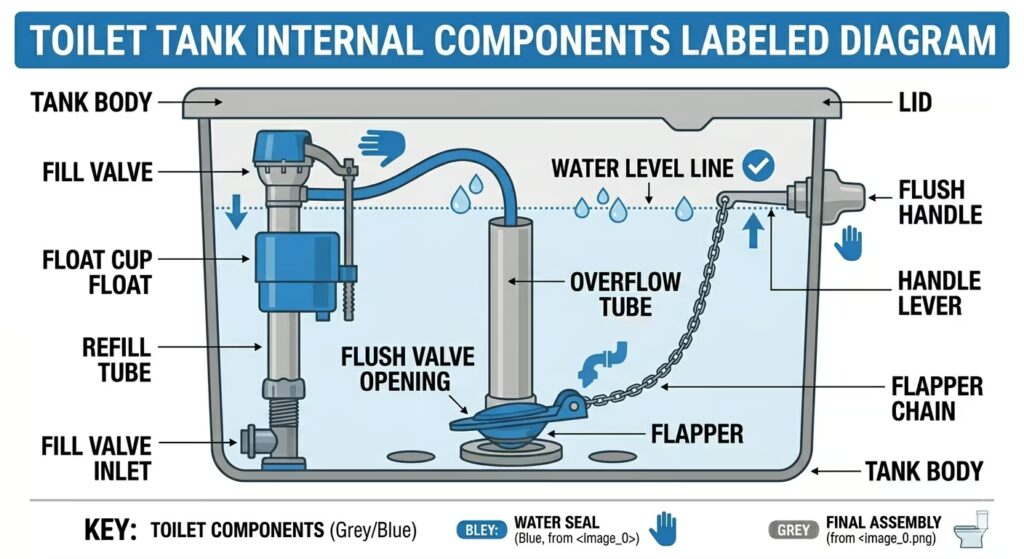
A running toilet wastes water and can cost more on your bill. Many running toilets leak from worn flappers, bad fill valves, misadjusted floats, or mineral buildup. Knowing the cause helps when you want to learn how to fix a running toilet without a plumber.
Typical causes
- Worn flapper that won’t seal. The toilet keeps leaking into the bowl.
- Faulty fill valve that won’t shut off. Water keeps filling the tank.
- Chain too tight or stuck under the flapper. The flapper stays open.
- Incorrect float level or warped float arm. Water keeps rising past the fill point.
- Cracked overflow tube or tank parts. Water escapes into the bowl.
What to check first
- Lift the tank lid and listen. A steady trickle usually means a flapper leak.
- Add food coloring to the tank. If color appears in the bowl without flushing, the flapper leaks.
- Watch the fill cycle. See if the valve shuts off when the tank is full.
:strip_icc()/bhg-how-to-fix-running-toilet-step-06-0259_2V7xRm9AaiC8i79lV4ro5o-69f57684c92a41148d33511f47b3654a.jpg)
Tools, parts, and safety basics before you start
You only need a few tools to fix most problems. Work slowly and keep the area dry. Turn off the water if you are unsure.
Tools and parts to have
- Adjustable pliers or wrench for tight nuts.
- Replacement flapper and replacement fill valve kit.
- Bucket and sponge for small water spills.
- Towels and gloves for grip and cleanliness.
- Clean rag to wipe parts and mineral build-up.
Safety notes
- Turn off the water at the shutoff valve behind the toilet for major repairs.
- Flush to drain most of the tank before working inside.
- Avoid harsh chemical cleaners while you work. They can damage rubber parts.
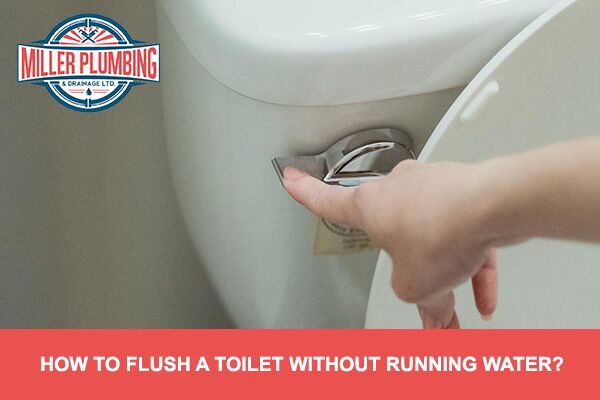
Step-by-step fixes for common causes
These steps show how to fix a running toilet without a plumber. Start with the easiest fixes and move to replacement parts if needed.
Fix a leaking or worn flapper
- Turn off the water and flush to empty most of the tank.
- Inspect the flapper for cracks, warping, or mineral deposits.
- If warped or damaged, remove the old flapper and snap a new one onto the pegs.
- Reconnect the chain with a small slack. Test by flushing and watching for leaks.
Adjust or unclog the chain
- Check chain length. It should allow the flapper to close on its own.
- If too tight, move the chain link to add one or two links of slack.
- If the chain hangs under the flapper, shorten it so it does not catch.
Replace or adjust the fill valve
- Turn off the water and flush to lower the tank level.
- If the fill valve leaks or runs endlessly, replace it with a universal fill valve kit.
- Follow kit instructions: remove the old valve, fit the new one, and tighten the nut.
- Adjust the new valve to set the correct water level below the overflow tube.
Fix a float that won’t shut off
- Locate float cup or float ball. Tap gently to see if it moves.
- For float cups, pinch the clip and move the float down. For float balls, bend the arm slightly downward.
- Test the fill cycle until the valve shuts when water reaches the correct level.
Repair overflow tube or replace tank parts
- Make sure water flows into the overflow tube properly. It should not be cracked.
- Replace damaged overflow tubes or nuts. If tank parts are old, replace the full kit.
Remove mineral buildup
- Use white vinegar to dissolve scale on valve seats and flappers.
- Soak removable parts in vinegar for 15–30 minutes and scrub gently.
- Rinse parts and reinstall.
Practical tip from experience: I once fixed a townhouse toilet by replacing the flapper and slightly raising the fill valve. The job took 20 minutes and stopped a steady drip I’d ignored for months. Small fixes are often faster than they seem.

Quick checks and tests after repair
After you fix parts, test thoroughly. Small mistakes leave leaks.
Do these tests
- Flush several times and listen for running water.
- Add food coloring to the tank and wait 10 minutes. No color in the bowl means the seal is good.
- Watch the fill cycle and confirm the water stops at the right height.
If it still runs
- Recheck the flapper seating and chain slack.
- Confirm the fill valve height and float setting.
- Try a new replacement part if the old one still leaks.

Maintenance and prevention tips
Routine checks keep your toilet from running again. A little care saves water and hassle.
Simple maintenance
- Replace flappers every 3–5 years in hard-water areas.
- Inspect the tank every six months for wear and mineral buildup.
- Use gentler cleaners that won’t degrade rubber parts.
- Keep a small repair kit at home: a spare flapper, a refill valve, and a pair of pliers.
Benefits of DIY fixes
- You save money on service calls.
- You stop water waste quickly.
- You learn simple skills that prevent bigger problems.

When to call a plumber
Know the limits. Some issues need a professional.
Call a plumber if
- The tank or bowl is cracked. Structural damage risks leaks and floods.
- You find repeated leaks after swapping parts. That can mean hidden damage.
- The problem involves the sewer line or low water pressure in multiple fixtures.
Being honest about limits lets you fix many things yourself and avoid bigger failures that need a pro.
People also ask
How long does it take to fix a running toilet without a plumber?
Most simple fixes take 10–30 minutes. Replacing a valve can take up to an hour for a beginner.
Will a flapper replacement always stop a running toilet?
Not always. A worn fill valve or wrong float setting can also cause running. Check both if the flapper does not fix it.
Can I use household glue or tape to fix leaks?
Temporary tape can stop small leaks, but it’s not a long-term fix. Replace damaged parts for a lasting repair.
Frequently Asked Questions of How to fix a running toilet without a plumber
What is the most common cause of a running toilet?
A worn or misaligned flapper is the most common cause. It fails to seal and lets tank water flow into the bowl.
How much does it cost to fix a running toilet yourself?
Basic parts cost $5–$30. A full fill valve kit runs about $20–$40. Your time is the main added cost.
Can hard water cause a running toilet?
Yes. Mineral buildup from hard water can prevent valves from sealing. Regular cleaning helps avoid this.
Is it safe to replace the fill valve myself?
Yes, with the water shut off and basic tools you can replace a fill valve safely. Follow the kit instructions closely.
How often should I check my toilet to prevent running?
Check your toilet every 3–6 months. Look and listen for slow leaks and test the flapper and fill valve.
Conclusion
You can fix most common toilet problems yourself by learning basic checks and replacements. Start with the flapper and chain, then move to the fill valve and float. Regular checks and simple maintenance keep water bills down and prevent bigger repairs. Try one small fix today—then subscribe, leave a comment about your experience, or ask a question if you need more help.