

Use a drain snake, plunger, and manual hair removal to clear clogs without chemicals.
I’ve spent years fixing home plumbing problems. I will show you clear, safe steps for how to unclog a shower drain without chemicals. This guide covers causes, tools, step-by-step methods, prevention tips, and when to call a pro. Read on to learn simple, low-cost fixes you can trust.

Why shower drains clog and what that means for repair
Most shower clogs form from hair, soap scum, and skin oil that build up over time. These soft materials stick to pipe walls. Small debris narrows the flow until water pools. Knowing the cause helps you pick the best way to learn how to unclog a shower drain without chemicals.
Common clog causes
- Hair that traps soap and grime.
- Soap scum that sticks to pipes.
- Small objects or mineral build-up.
- A faulty or blocked drain cover that slows flow.
How this affects your fix
- Soft clogs are best removed by tools or hands.
- Hard mineral blockages may need mechanical clearing.
- Regular cleaning stops most clogs before they form.
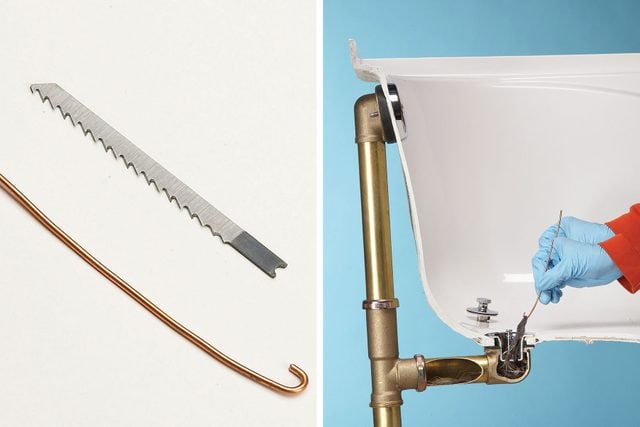
Tools and supplies for chemical-free drain clearing
You don’t need harsh cleaners to clear most clogs. A few simple tools will handle most jobs. These tools let you safely learn how to unclog a shower drain without chemicals.
Essential items
- Rubber gloves to keep hands clean.
- A drain snake or auger for deep clogs.
- A cup plunger made for flat surfaces.
- A pair of needle-nose pliers or a zip-it tool for hair removal.
- A bucket and towels for water and mess.
- A flashlight to inspect the drain.
Optional but useful
- Wet-dry vacuum for suction removal.
- Teflon tape if you disassemble plumbing.
- Simple brush to scrub the drain cover.

Step-by-step methods to unclog a shower drain without chemicals
Start with the easiest methods. Move to the next method only if the first does not work. These steps explain how to unclog a shower drain without chemicals in clear, safe stages.
Method 1 — Remove visible hair and debris
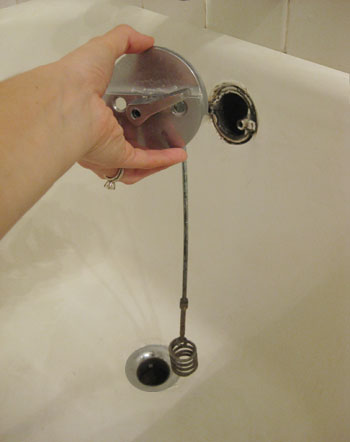
- Put on gloves and remove the drain cover.
- Use your fingers, pliers, or a zip-it tool to pull out hair and gunk.
- Run hot tap water to flush loose bits.
This simple step fixes many clogs fast.
Method 2 — Use a plunger
- Seal the shower overflow if present, or cover other drains.
- Add enough water to cover the plunger edge.
- Plunge with firm, even strokes for 20–30 seconds.
- Test the drain with hot water.
A plunger often clears soft blockages and is a quick way to learn how to unclog a shower drain without chemicals.
Method 3 — Wire or drain snake
- Feed the snake or coat hanger into the drain and rotate.
- Push gently until you feel resistance, then pull out the clog.
- Repeat until the snake passes freely.
- Run hot water to clear residue.
A snake is the best tool for how to unclog a shower drain without chemicals in deeper clogs.
Method 4 — Wet-dry vacuum suction
- Set the vacuum to liquid mode and cover gaps with rags.
- Create a tight seal and apply suction for 30–60 seconds.
- Check for debris in the vacuum canister.
This method can pull out loose matter without touching the clog.
Method 5 — Remove and clean the P-trap (if accessible)
- Place a bucket under the trap to catch water.
- Unscrew the trap nut and remove the curved pipe section.
- Clean out residue and reassemble with fittings tight.
This is a more advanced step for stubborn clogs and a safe way to learn how to unclog a shower drain without chemicals when top methods fail.
Simple maintenance rinse
- Pour very hot water down the drain weekly to clear light build-up.
- Use a small filter to catch hair before it goes down.

Quick questions people ask (PAA-style)
Why does hair clog drains so easily?
- Hair binds with soap and oils. It forms a mat that traps other debris and narrows the pipe.
Can I use a metal coat hanger to clear a clog?
- Yes, a straightened hanger works for hair near the drain. Be gentle to avoid scratching pipes.
Is boiling water safe for all drains?
- Boiling water can soften grease and soap scum. Use with care on PVC pipes by letting it cool first if unsure.

Prevention strategies to avoid future clogs
Stopping clogs is easier than clearing them. A few habits keep drains flowing and cut the need to learn how to unclog a shower drain without chemicals again.
Preventive steps
- Install a hair catcher and clean it weekly.
- Brush out hair before showering.
- Run hot water after shampoo or heavy soap use.
- Do a monthly manual check and clean cover and visible parts.
Long-term habits
- Limit oily or greasy products in the shower.
- Replace old fixtures that trap far more debris.
- Schedule simple inspections every few months.
Troubleshooting and when to call a professional
If DIY steps fail, know when to stop. Repeated force or trial-and-error can harm pipes. Learn how to unclog a shower drain without chemicals—but also learn limits.
Signs to call a plumber
- Water backs up into other drains or toilets.
- Nothing improves after several safe attempts.
- You smell sewage or see corrosion.
- You must remove large sections of pipe beyond the P-trap.
What a pro will do
- Use powered augers and inspection cameras.
- Diagnose deeper blockages or pipe damage.
- Repair or replace pipe sections if needed.
Frequently Asked Questions of How to unclog a shower drain without chemicals
How long should I try DIY fixes before calling a plumber?
Try gentle methods for up to 30–60 minutes. If the drain is still slow, call a professional to avoid damage.
Is baking soda and vinegar considered chemical-free?
Baking soda and vinegar are natural and mild. They can help clear light clogs but may not remove heavy hair or mineral build-up.
Can I use a plunger on a tiled shower base?
Yes. Use a cup plunger and seal other drains to build pressure. Plunging is safe for most tile and acrylic bases.
Will frequent hot water damage my pipes?
Brief hot-water flushes are safe. Avoid pouring boiling water directly into plastic pipes; let it cool slightly first.
How do I remove a stuck drain cover?
Try unscrewing any visible screws first. If none, use pliers or a flat tool to pry gently, taking care not to chip tile.
Conclusion
You now have clear, safe ways to learn how to unclog a shower drain without chemicals. Start with simple tools and steps. Keep a hair catcher and clean it often. If the clog resists, call a pro to prevent damage. Try these tips this week, and leave a comment with your results or questions.