

Electric scrubbers are highly effective for bathroom cleaning, saving time and improving results.
I’ve used and tested many cleaning tools over the years, and I can say with confidence that electric scrubbers change how you attack soap scum, grout, and tub rings. This guide explains whether are electric scrubbers good for bathroom cleaning, how they work, when to use them, their limits, and real tips from hands-on experience so you can decide which model and routine fit your home.
:max_bytes(150000):strip_icc()/rsp-primary-electric-scrubbers-dburreson-001-5de10c6785444b9a8038a3244f192e1f.jpeg)
Why electric scrubbers work well in bathrooms
Electric scrubbers use motorized rotation or oscillation to multiply the scrubbing force you apply. That extra motion breaks down limescale, soap scum, hard water stains, and mildew faster than manual scouring. They cut cleaning time and reduce elbow strain, which makes routine bathroom care less of a chore.

Key benefits of using electric scrubbers
- Faster scrubbing and less physical effort. Most scrubbing tasks take a fraction of the time.
- Better reach and consistent pressure. Long handles and swappable heads reach corners and under rims.
- Safer for hands and joints. You avoid harsh scrubbing that irritates skin or stresses wrists.
- Versatility across surfaces. Many heads work on tile, glass, porcelain, and grout with minimal risk.
- Often more eco-friendly. You can clean with less chemical because mechanical action does more work.
How electric scrubbers work
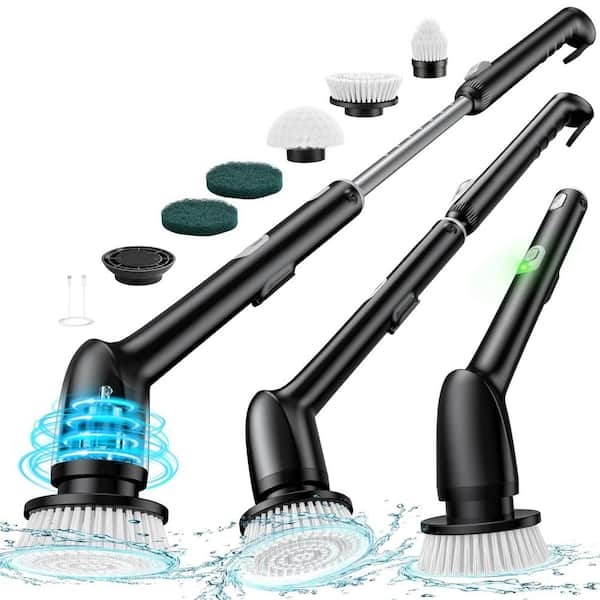
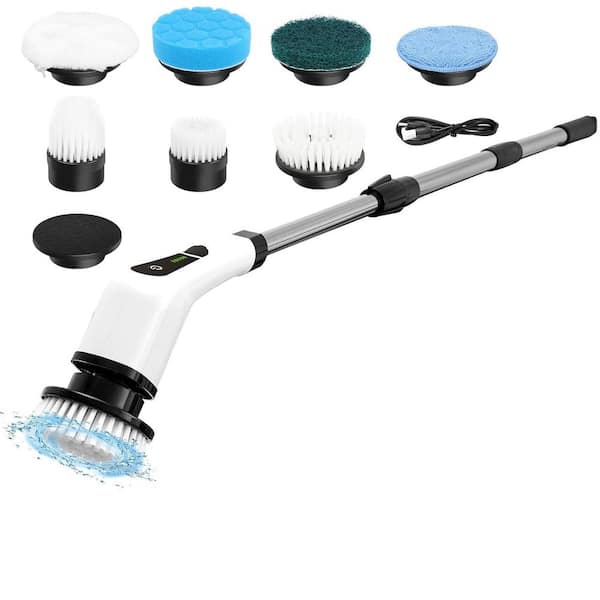
Electric scrubbers have a motor that spins or vibrates a brush head. You pick a head shape for the job: flat pads for tile, cone brushes for grout, and pointed tips for drains. Battery-powered models run cordless for easy use. Some corded models deliver stronger torque for heavy buildup.

Types and features to look for
- Brush head variety. Look for multiple heads for grout, tile, tubs, and glass.
- Battery life and charging. Longer run time means larger jobs without pause.
- Torque and speed settings. Adjustable speed helps protect delicate surfaces.
- Handle length and angle. Extendable handles reduce bending and help reach high tiles.
- Water resistance. IP-rated units resist splash and fog in bathrooms.
- Weight and balance. Lighter models are easier for quick jobs; heavier ones may scrub harder.
When electric scrubbers are the best choice
- Deep-cleaning grout and tile where manual scrubbing drags on.
- Removing soap scum from tubs and shower doors.
- Quick touch-ups before guests arrive.
- Cleaning textured or uneven surfaces where cloths miss debris.
- For people with mobility or joint issues who need less forceful cleaning.

Limitations and challenges
- Not a magic fix for extreme scale. Very old, thick limescale may still need chemical treatment.
- Potential surface damage. High speed or hard brushes can dull soft finishes like some plastics or painted surfaces.
- Battery life limits continuous work. Expect to recharge for long jobs unless you have a spare battery.
- Noise and vibration. Some models are loud or cause fatigue with extended use.
- Cost. Good models cost more than manual tools but save time over months.
PAA-style questions
- Will an electric scrubber damage tile grout?
- Gentle brush heads and low speed usually protect grout. Use the correct head and test in an inconspicuous spot.
- Can I use electric scrubbers on natural stone?
- Avoid acidic cleaners and hard brushes on stone. Use soft pads and mild cleaners designed for stone.
- Do electric scrubbers replace chemical cleaners?
- They reduce the need for harsh chemicals, but sometimes a cleaner is necessary for disinfection or heavy mineral deposits.
:max_bytes(150000):strip_icc()/spr-hoto-electric-spin-scrubber-julia-fields-10-9d9305a61f244f3983f50271bb6cbbcd.jpeg)
How to choose the right electric scrubber
- Match heads to your jobs
- Select models with a grout brush, flat pad, and cone or pointed head.
- Check battery life
- Aim for at least 30–45 minutes per charge for typical bathroom jobs.
- Look for adjustable speed and torque
- This protects delicate surfaces and boosts power for tough stains.
- Read warranty and service options
- Choose brands with clear warranties and accessible replacement parts.
- Consider ergonomics
- Test weight, handle comfort, and balance if possible.

Maintenance and safety tips
- Clean heads after each use to prevent mold growth.
- Dry the unit and brush attachments before storage.
- Replace worn brushes to avoid surface scratching.
- Wear gloves when using chemicals and follow label instructions.
- Test a small area before aggressive scrubbing to ensure surface compatibility.
Personal experience and lessons learned
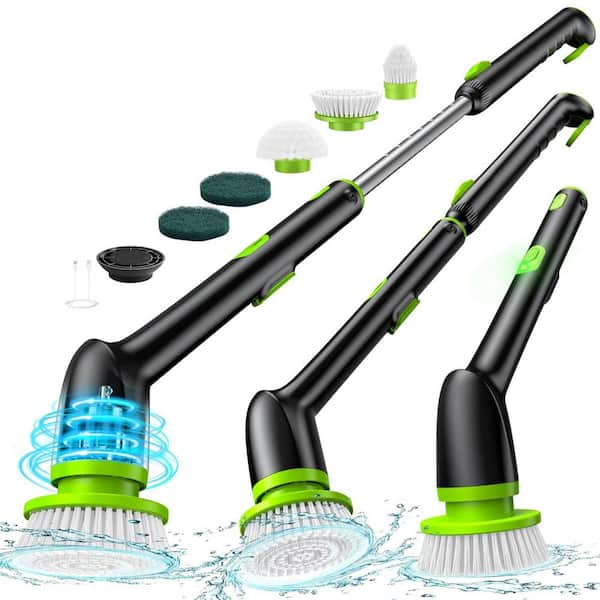
I bought my first cordless scrubber to tame grout lines that never looked clean after hand scrubbing. The difference was immediate: the grout looked brighter and cleaning time dropped by half. I learned these lessons the hard way:
- Use the right head. One wrong brush scratched a vintage tub finish.
- Combine motion with mild cleaner. Mechanical action lets you use less chemical and still get good results.
- Keep spare batteries or a fast charger. Running out mid-job is the biggest annoyance.
- Clean attachments after each use. Mold on a brush undoes your hard work fast.
If you’re asking are electric scrubbers good for bathroom cleaning from personal trials, they likely are—when matched to the right tasks and used carefully.
Frequently Asked Questions of are electric scrubbers good for bathroom cleaning
Are electric scrubbers safe for tile and grout?
Yes. With a soft or medium brush and low speed, most electric scrubbers clean tile and grout safely. Test a hidden spot to confirm no damage.
Can electric scrubbers remove hard water stains?
They help a lot on light to moderate hard water stains. For heavy mineral deposits, pair the scrubber with a descaling cleaner for best results.
How long does battery power usually last?
Typical cordless scrubbers run 30 to 60 minutes per charge depending on speed and model. Keep a spare battery for long or frequent jobs.
Do electric scrubbers replace bleach or disinfectants?
No. Electric scrubbers remove grime and biofilm mechanically, but disinfectants are needed to kill germs and bacteria when required.
Are electric scrubbers worth the cost?
For many homes, yes—if you value time savings and easier cleaning. They pay off most where grout, tubs, and glass need regular, deep cleaning.
Conclusion
Electric scrubbers are a practical, time-saving tool for most bathroom cleaning tasks. They work best on grout, tile, tubs, and glass, and they reduce the need for harsh scrubbing and excess chemicals. Try one if you want faster cleaning, less strain, and more consistent results—just pick the right model, protect delicate surfaces, and maintain the brushes. If this guide helped, consider trying a midrange model, share your results below, or subscribe for more hands-on cleaning tips.