

Measure width, depth, height, seat and clearance with a tape measure and a helper.
I have measured dozens of living rooms, delivery routes, and sofas over the years, so I know exactly how to measure sofas & couches to avoid surprises. This guide walks you through every step, tools to use, common pitfalls, and real-world tips so your new sofa fits your space and your doorway on moving day.

Why accurate measurements matter
Measuring correctly prevents returns, damage, and costly reorders. When you know how to measure sofas & couches, you save time and money.
A wrong measurement can mean a couch that does not fit through your doorway or a piece that overwhelms your room. Measure first, buy with confidence.
Tools you need before you start
- Tape measure Use a steel tape measure for long, straight reads.
- Laser measure Handy for quick room and diagonal checks.
- Pencil and notepad Record measurements and drawing notes.
- Masking tape Mark floor outlines or door frames temporarily.
- Helper A second pair of hands makes diagonal and bulky reads safer.

Step-by-step: how to measure sofas & couches
Follow these ordered steps to measure any sofa or couch reliably.
-
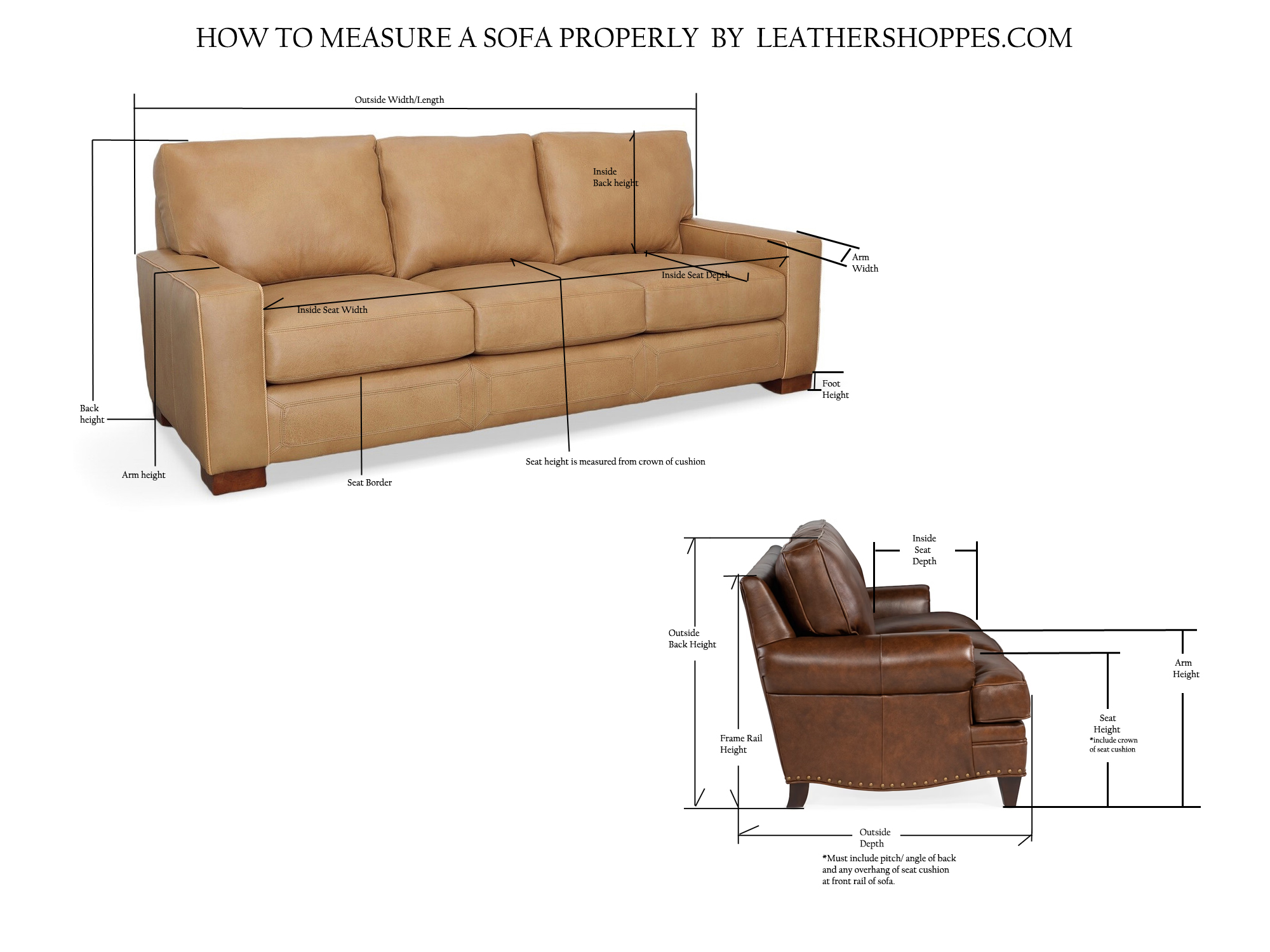
Measure overall width
- Measure from outer edge of one arm to the outer edge of the other arm.
- Record in inches and centimeters. This is the number sellers list as overall width.
-
Measure overall depth
- Measure from the front edge of the seat to the back of the sofa.
- For attached cushions, measure to the back of the frame.
-
Measure overall height
- Measure from the floor to the highest point of the back.
- Note if the back includes decorative finials or loose cushions that change height.
-
Measure seat height and seat depth
- Seat height: floor to top of seat cushion.
- Seat depth: front of cushion to back cushion or frame. These affect comfort.
-
Measure arm height and arm width
- Arm height: floor to top of arm.
- Arm width: from inner arm to outer arm thickness, if needed for slipcovers or covers.
-
Measure leg height and clearance
- Measure from floor to bottom of sofa frame or legs. This matters for cleaning tools and rugs.
-
Measure diagonal clearance and turning space
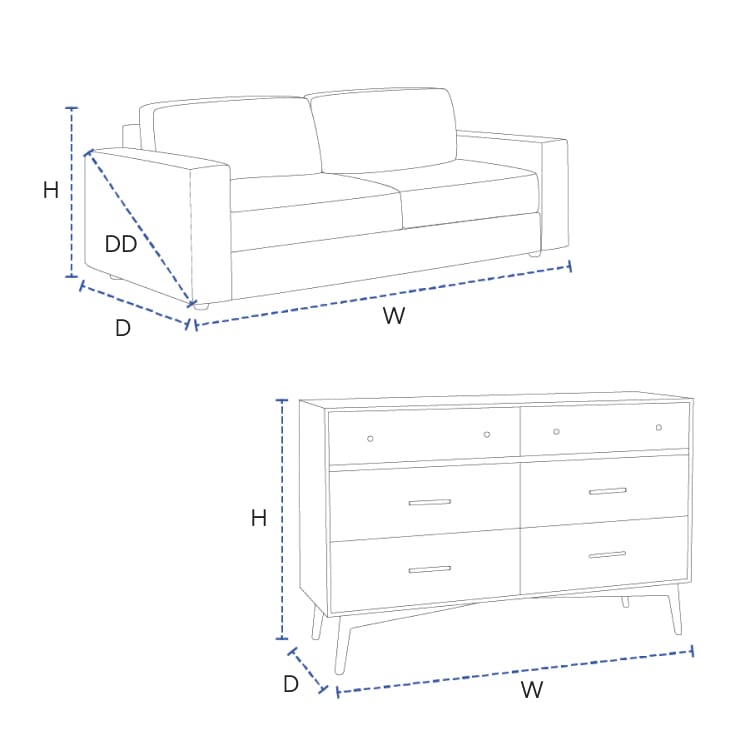
- Measure long diagonal of the sofa from bottom corner to opposite top corner.
- Measure door height, door width, and diagonal door clearance. Compare diagonal sofa measurement to diagonal door measurement.
-
Measure transport and route
- Measure narrow hallways, doorway jambs, stair landings, and elevators along the route.
- Note any obstacles like light fixtures, banisters, or steps.
-
Record measurements clearly
- Label each measurement on a simple sketch: overall width, depth, height, seat height, arm height, diagonal.
- Keep photos of the path and measurements for movers or sellers.

Practical examples and quick checks
- Small apartment sofa Typical overall width 72 inches; depth 34 inches; seat height 18 inches.
- Standard three-seat sofa Typical overall width 84 inches; depth 36 inches; seat depth 22 inches.
- Sectional piece Measure each module separately and measure the corner radius.
Check: If overall width of the couch is 84 inches, make sure the narrowest door or hallway measurement (including trim) is at least 84 inches or that a diagonal fit is possible.
Measuring for delivery and moving
Measure the route before the truck arrives. I once learned this the hard way. I measured only the sofa, not the stair landing, and the piece got stuck. Don’t make that mistake.
- Doors and doorframes Measure door width and height and note trim and hinges.
- Staircases and landings Measure ceiling height on each landing and the width of stairs.
- Elevators Note elevator interior width, depth, and door opening width.
- Diagonal fit trick If a sofa is too tall for the door upright, measure diagonal height to see if it can tilt through.
- Disassembly Check if legs, feet, or cushions can be removed to reduce size.

Typical sofa dimensions and what to expect
Knowing typical sizes helps when shopping. Below are common ranges.
- Loveseat Width 48–72 inches; depth 30–36 inches; seat height 16–20 inches.
- Standard sofa Width 72–96 inches; depth 30–40 inches; seat height 17–20 inches.
- Sectional (per module) Width 30–45 inches each; corner modules vary widely.
- Chair and a half Width 48–60 inches; depth 35–40 inches.
Always compare the seller’s listed sizes with your measured space and the way you plan to place the sofa.

Mistakes to avoid and pro tips from experience
I have moved many couches. These are the mistakes I see most.
- Relying on seller photos only Photos hide scale. Always check exact measurements.
- Forgetting door trim and thresholds Measure the narrowest breathing point, not just the open door width.
- Ignoring diagonal clearance Many sofas fit when tilted. Measure the diagonal to be sure.
- Not checking elevator interiors Elevators are smaller than they look. Measure door opening and interior depth.
- Skipping a test outline Mark the sofa footprint with tape on the floor. It shows scale and walking space.
Pro tips
- Take pictures of each measurement and of the route for movers.
- Use masking tape to mark the sofa footprint and seat area in your room.
- If in doubt, add 2 inches as a buffer when measuring tight spaces.

Frequently Asked Questions of how to measure sofas & couches
How do I measure sofa width correctly?
Measure from the outer edge of one arm to the outer edge of the other arm. Record the number in inches and centimeters.
Can I measure a sectional the same way as a sofa?
Measure each section separately and the corner module. Also measure how pieces connect and the overall footprint once assembled.
What if my sofa won’t fit through the door?
Check diagonal clearance and measure door trim, hallway turns, and stair landings. Removing legs or cushions often helps.
Do I measure with or without cushions?
Measure overall width and height with cushions in place if they are attached. For seat depth and seat height, measure using the cushions you will use.
How much clearance do I need for moving a sofa into a room?
Allow at least 2 inches of buffer around the measured sofa dimensions for safe handling. For tight corners, allow more room.
Is a laser measure better than a tape?
A laser measure works fast for room dimensions and diagonals, but a tape measure is more reliable for furniture edges and curves. Use both for best results.
Conclusion
Measuring carefully changes the whole buying and moving experience. Use a tape measure, mark your space, check diagonal fits, and measure the whole route. With these steps on how to measure sofas & couches, you can buy with confidence and avoid costly mistakes. Try the footprint test with tape this weekend, then share your results or questions below to get tailored advice.