

Have you ever lit a jar candle and wondered if it’s ready to burn perfectly? Knowing when a jar candle is done can save you from wasted wax and uneven burning.
If you want your candle to last longer and give off the best scent, it’s important to understand the signs that show it’s fully cured and ready. Keep reading to discover simple tips that will help you get the most out of every candle you light.
Your cozy, fragrant moments are about to get a whole lot better.

Credit: redoux.nyc
Signs Of A Complete Burn
Knowing when a jar candle is done helps you get the best experience. A complete burn means the candle has melted evenly and safely. It also means the scent has been fully released. Watch for certain signs to tell if your candle is finished.
Melt Pool Coverage
The melt pool is the liquid wax on top. A full melt pool covers the entire surface of the candle. This means the wax melted evenly. If the pool is small or uneven, the candle is not done. A complete burn avoids tunneling and wasted wax.
Wick Length And Condition
The wick should be about ¼ inch tall after burning. If it is too short or too long, the burn is not right. A trimmed wick helps the candle burn clean and steady. The wick should not be blackened or mushroomed. This shows the candle still has life.
Scent Throw Consistency
A full burn releases the candle’s scent evenly. The smell should fill the room without fading too soon. If the scent disappears quickly, the candle needs more burning time. Consistent scent means the wax and fragrance worked well together.
Factors Affecting Burn Time
Burn time for jar candles depends on several key factors. These elements affect how long a candle lasts and how well it burns. Understanding them helps you get the most from your candle.
Candle Size And Wax Type
Bigger candles usually burn longer than smaller ones. The amount of wax controls the total burn time. Wax type also matters. Soy wax burns slower and cleaner. Paraffin wax melts faster and may burn quicker. Beeswax has a long burn time but costs more.
Wick Material And Placement
The wick controls the flame size and heat. Cotton wicks burn evenly and cleanly. Wooden wicks create a soft crackling sound but burn faster. A wick placed in the center helps the candle burn evenly. Off-center wicks cause uneven melting and shorter burn time.
Room Temperature And Drafts
Warm rooms make candles burn faster. Cold rooms slow down the melting process. Drafts from fans or open windows cause flickering flames. Flickering wastes wax and shortens the candle’s life. Keep candles away from air movement for longer burn time.
Common Burn Issues
Jar candles can show problems while burning. These issues affect how the candle burns and how long it lasts. Knowing common burn issues helps keep your candle safe and enjoyable. Below are some usual problems and how they happen.
Tunneling And Uneven Melting
Tunneling happens when only the middle of the wax melts. The sides stay hard, making a narrow hole. This wastes wax and shortens burn time. Uneven melting means the wax melts more on one side. The candle burns poorly and looks uneven. Both problems happen if the candle is not burned long enough on the first use.
Soot And Smoke Problems
Soot appears as black dust on the jar or near the flame. Smoke can come from a flickering or too long wick. Both make the air dirty and can stain walls. Soot and smoke usually happen when the wick is too big or the candle burns in a draft. Keeping the wick trimmed helps reduce soot and smoke.
Wick Drowning Or Mushrooming
Wick drowning is when the wick gets too soft and sinks into the wax. This makes the flame small or go out. Mushrooming means the wick tip gets a black, fluffy shape. It causes a big, smoky flame. Both issues happen if the wick is too long or not trimmed. Regular trimming keeps the wick healthy and the candle burning well.
Tips For Extending Candle Life
Extending the life of a jar candle saves money and keeps your space cozy longer. Simple steps help your candle burn evenly and safely. Follow these tips to enjoy your candle’s glow for many hours.
Taking care of your candle also keeps it looking neat and smelling fresh. These habits make a big difference in how well your candle performs.
Proper Wick Trimming
Trim the wick to about 1/4 inch before each use. A short wick prevents high flames and soot buildup. This helps the candle burn slowly and cleanly. Avoid cutting the wick too short to keep a steady flame.
Safe Burning Practices
Burn your candle in a draft-free area. Drafts cause uneven burning and quick wax loss. Let the candle burn until the wax melts to the jar edge. This prevents tunneling and makes full use of the wax. Never leave a burning candle unattended.
Storing Candles Correctly
Store candles in a cool, dark place when not in use. Heat and sunlight cause colors to fade and wax to soften. Keep candles away from dust and dirt to maintain their scent and look. Proper storage helps your candle stay fresh and ready to burn.
When To Retire A Jar Candle
Knowing when to retire a jar candle helps keep your space safe and pleasant. A candle can burn for many hours, but not forever. Recognizing signs that a candle is done helps avoid accidents and poor scent quality. Watch the candle closely as it burns. Small changes tell you when it’s time to stop.
Wax Pool Depth
The wax pool should be about 1/2 inch deep. A shallow wax pool means the candle is almost finished. If the wax is too low, the wick may burn the jar. Stop using the candle when the wax pool gets very small. This protects the jar and keeps the flame steady.
Wick Maintenance Limits
The wick must stay trimmed and healthy. Cut it to about 1/4 inch before each burn. When the wick becomes too short or hard to trim, it is time to retire the candle. A damaged wick causes uneven burning and smoke. Replace the candle to avoid these problems.
Safety Considerations
Never burn a candle for more than four hours at once. Keep the candle away from drafts and flammable objects. If the jar cracks or gets hot, stop burning it immediately. Always place the candle on a heat-resistant surface. Safety should be the top priority when using jar candles.
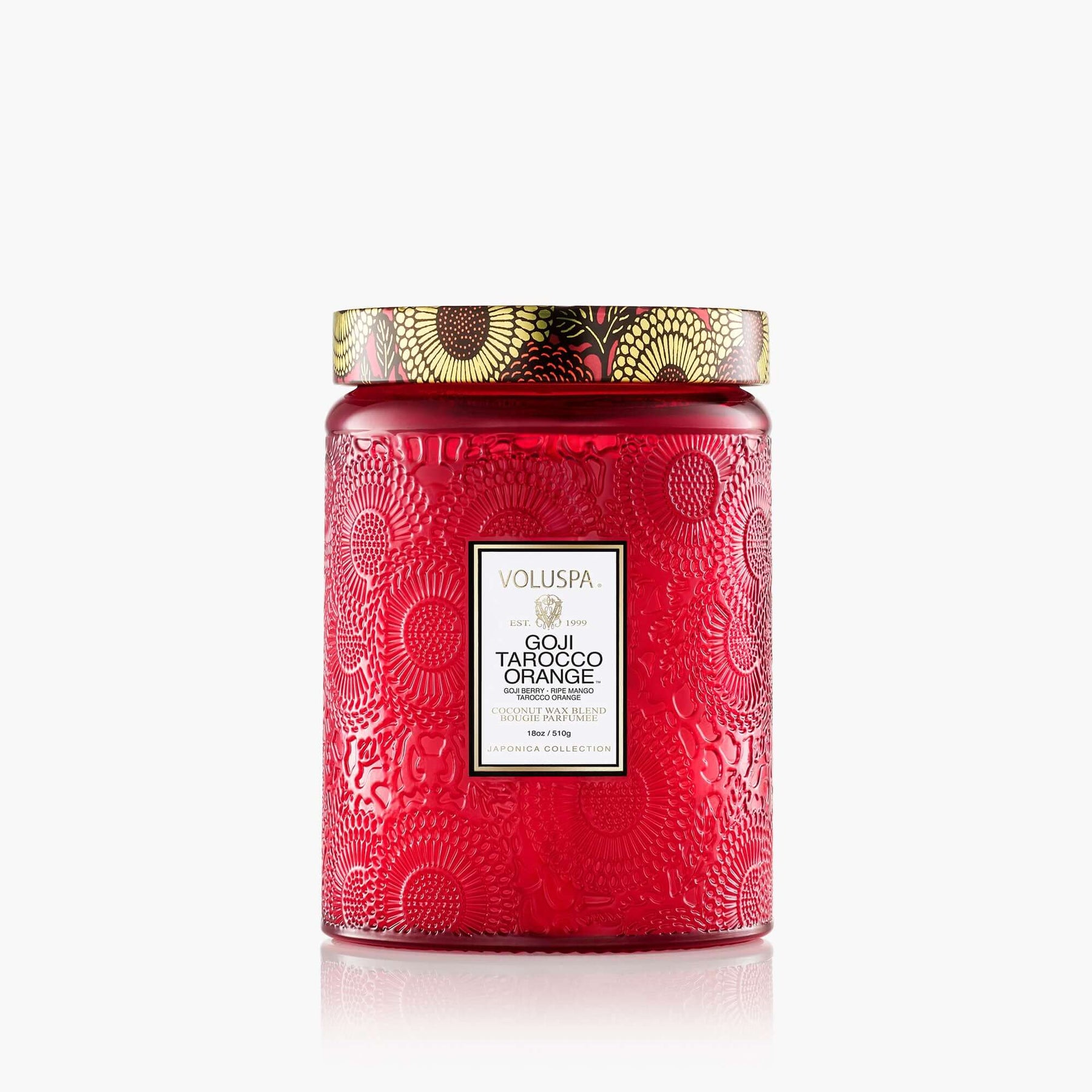
Credit: voluspa.com

Credit: voluspa.com
Frequently Asked Questions
When Is A Jar Candle Fully Melted?
A jar candle is fully melted when the wax pool reaches the jar edges. This ensures even burning and scent release. Avoid burning only the wick area to prevent tunneling and maximize candle life.
How Long Should I Burn A Jar Candle Initially?
Burn a jar candle for 2-3 hours on the first burn. This allows the wax to melt evenly across the surface. It helps create a full wax pool and prevents tunneling in future burns.
What Signs Show A Jar Candle Is Done Burning?
A jar candle is done when the wax pool is nearly gone. The flame will become small or flicker before extinguishing. Never burn candles to the very bottom to avoid heat damage to the jar.
Can I Reuse A Jar Candle After It’s Done?
Yes, you can reuse a jar candle jar once it’s empty. Clean out the leftover wax and wick residue. Use it for storage, DIY candles, or decorative purposes to reduce waste.
Conclusion
A jar candle is done when the wax melts evenly to the edges. The wick should burn without smoke or flicker. The candle creates a steady, soft glow. Once the melted wax pool stops growing, it’s time to extinguish. Watch for any black soot or uneven burning.
Let the wax cool before the next use. This helps the candle last longer and smell better. Enjoy the warm light safely every time you burn your jar candle. Simple steps lead to the best candle experience.