

Are you looking for a simple and effective way to create an oxygen-free environment for your experiments or projects? Candle jar anaerobic methods might be exactly what you need.
This easy technique helps you remove oxygen quickly and efficiently, making it perfect for growing certain bacteria or preserving delicate items. Keep reading to discover how candle jar anaerobic setups work, why they’re so useful, and how you can use one yourself without any complicated equipment.
Your next successful experiment starts here!
Candle Jar Basics
The candle jar is a simple tool used in microbiology labs. It helps create a low-oxygen environment. This condition is important to grow certain bacteria that do not like oxygen. The jar uses a small candle to reduce oxygen levels inside.
Using a candle jar is easy and cost-effective. It works well for many routine lab tests. Understanding how it works helps in better lab results and safer handling of microbes.
What Is A Candle Jar
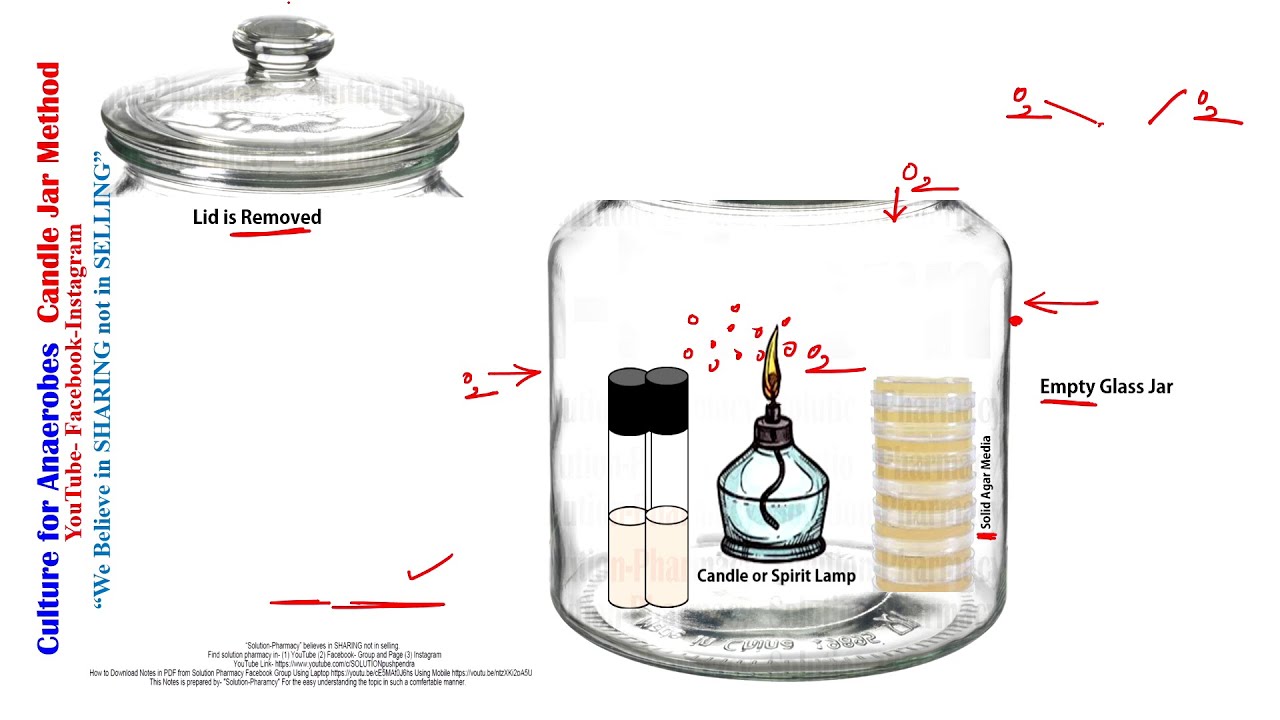
A candle jar is a sealed container used in labs. Inside, a lit candle burns until the oxygen drops. This burning lowers oxygen and raises carbon dioxide. The jar creates a special environment for bacteria to grow.
The candle usually burns out quickly. After the flame goes off, the jar stays sealed. This keeps oxygen low and carbon dioxide high. The setup simulates conditions some bacteria prefer.
Purpose In Microbiology
The candle jar helps grow bacteria that do not need much oxygen. Some bacteria die or grow poorly with normal air. The jar creates a better place for them to live.
It is useful for testing and studying these microbes. The jar also helps in identifying bacteria by their oxygen needs. Labs use it to grow bacteria for research or diagnosis.

Credit: universe84a.com
Setting Up The Candle Jar
Setting up the candle jar is a simple process that creates an oxygen-free space. This environment helps grow bacteria that do not need oxygen to live. The setup needs careful attention to keep the jar airtight.
The steps below explain what materials you need and how to assemble the jar properly. Follow each part to ensure good results in your anaerobic experiments.
Materials Needed
- Glass jar with a tight lid
- Small candle
- A piece of clean paper or filter paper
- Matches or a lighter
- Inoculated culture plates or tubes
- Heat-resistant surface or holder
Step-by-step Assembly
- Place the inoculated culture inside the jar.
- Set the small candle in the center of the jar’s base.
- Light the candle carefully using matches or a lighter.
- Immediately close the jar with the lid while the candle burns.
- The candle will consume oxygen and create an anaerobic environment.
- Wait until the candle goes out, indicating oxygen is low.
- Keep the jar sealed during the incubation period.
Creating Anaerobic Conditions
Creating anaerobic conditions is essential for growing bacteria that do not need oxygen. These bacteria live in environments without air. To study them, scientists use special tools to remove oxygen.
The candle jar method is a simple way to make these conditions. It uses a small candle inside a sealed jar. The candle uses up oxygen and helps create a low-oxygen space.
Role Of The Candle
The candle burns inside the jar. It uses oxygen to keep burning. This lowers the oxygen level inside the jar quickly. The flame stays lit until oxygen is almost gone.
When oxygen is low, the candle goes out. This shows the right anaerobic condition is reached. The candle also produces carbon dioxide, which some bacteria need.
Oxygen Reduction Process
As the candle burns, it consumes oxygen inside the jar. Oxygen levels drop fast. This creates a near-oxygen-free environment.
The process stops when oxygen is too low for the candle to burn. The jar now has very little oxygen and more carbon dioxide. This helps grow anaerobic bacteria safely and effectively.

Credit: www.semanticscholar.org
Optimizing Bacterial Growth
Optimizing bacterial growth in a candle jar anaerobic system is key for accurate lab results. This setup creates an oxygen-free environment, essential for certain bacteria. Controlling the right conditions helps bacteria grow faster and healthier.
Understanding which bacteria thrive here and setting proper incubation conditions improves success. Small changes make a big difference in growth and experiment outcomes.
Suitable Bacterial Strains
Some bacteria need no oxygen to grow. These are called anaerobic bacteria. Examples include Clostridium, Bacteroides, and Fusobacterium. They grow best in the candle jar’s low-oxygen environment.
Others can survive with little oxygen, called microaerophiles. Helicobacter pylori fits this group. Using the right strain ensures growth matches your study goals.
Incubation Parameters
Temperature control is crucial. Most anaerobic bacteria grow well at 35-37°C. Too hot or too cold slows growth or kills cells.
Incubation time varies by bacteria type. Some need 24 hours, others take several days. Check strain guidelines for best results.
Maintaining humidity inside the jar prevents drying out. Use a moist paper towel or wet cotton inside the jar.
Common Challenges And Solutions
Using a candle jar anaerobic system has its challenges. These problems can affect the growth of anaerobic bacteria. Understanding common issues helps keep the environment stable. Fixing problems quickly leads to better results.
Maintaining Anaerobic Environment
Sealing the jar tightly is key. Any air leaks let oxygen enter. Oxygen harms anaerobic bacteria. Use a good lid and check for gaps. The candle flame uses oxygen inside. When it goes out, oxygen is low. Make sure the candle is the right size. Too small or too large affects oxygen levels. Also, avoid opening the jar during incubation.
Troubleshooting Poor Growth
Poor bacterial growth may mean oxygen is present. Check the candle and jar seal first. Sometimes the culture medium is old or dry. Fresh, moist medium helps bacteria grow better. Temperature also matters. Keep the jar at the recommended temperature. Too hot or cold slows growth. Lastly, check if the bacteria strain is active. Use fresh cultures for best results.
Alternatives To Candle Jar
Choosing the right method for growing anaerobic bacteria is important. Candle jars are common but not the only option. Other tools offer different ways to create oxygen-free environments.
These alternatives can be more convenient or precise. They help labs maintain strict anaerobic conditions for better results. Understanding these options helps pick the best fit for your work.
Anaerobic Chambers
Anaerobic chambers provide a fully controlled environment. They remove oxygen completely using special gas mixtures. Scientists work inside the chamber through built-in gloves.
This method keeps samples safe from oxygen exposure. It supports long-term bacterial growth and complex experiments. The chambers are ideal for labs needing consistent anaerobic conditions.
Chemical Gas Packs
Chemical gas packs release gases that remove oxygen inside sealed containers. These packs are easy to use and cost-effective.
Simply place the pack with the culture plates in a jar. The pack absorbs oxygen and creates an anaerobic atmosphere. This method suits quick experiments and small labs.
Safety And Maintenance
Safety and maintenance are key when using a candle jar anaerobic system. Proper care keeps the jar working well and prevents accidents. Understanding how to handle and clean the jar helps users get accurate results and extend the jar’s life.
Handling Precautions
Always place the candle jar on a flat surface. Avoid dropping or hitting the jar to prevent cracks. Use gloves if handling chemicals inside the jar. Keep the jar away from open flames. Do not breathe in gases released during use. Ensure the lid fits tightly before starting the test. Work in a well-ventilated area to reduce gas buildup.
Cleaning And Storage
Clean the jar after each use with warm, soapy water. Rinse thoroughly to remove all residues. Do not use abrasive cleaners that may scratch the glass. Dry the jar completely before storing it. Store the jar in a cool, dry place. Keep it away from direct sunlight and heat sources. Check for cracks or damage before each use to ensure safety.
Credit: www.youtube.com
Frequently Asked Questions
What Is A Candle Jar Anaerobic Method?
A Candle Jar Anaerobic method creates a low-oxygen environment using a candle inside a sealed jar. The candle consumes oxygen, producing carbon dioxide. This setup helps grow microaerophilic and anaerobic bacteria by limiting oxygen exposure effectively.
How Does A Candle Jar Create Anaerobic Conditions?
Inside the sealed jar, lighting the candle reduces oxygen levels. The candle flame uses oxygen and raises carbon dioxide concentration. Once the oxygen is low, the flame extinguishes, maintaining an anaerobic or microaerophilic atmosphere ideal for certain bacterial cultures.
Why Use A Candle Jar For Bacterial Culture?
Candle jars provide a simple, cost-effective way to culture bacteria needing low oxygen. They support growth of anaerobic and microaerophilic microorganisms without expensive equipment. This method is widely used in microbiology labs for testing and diagnostics.
Can Candle Jars Be Reused For Multiple Cultures?
Yes, Candle Jars are reusable after proper cleaning and sterilization. Ensure all residues are removed and the jar is dried. Reusing maintains cost efficiency while providing consistent anaerobic conditions for successive bacterial cultures.
Conclusion
Candle jar anaerobic methods help grow bacteria without oxygen. This process is simple and useful in many labs. It creates the right environment for certain bacteria to thrive. Using a candle jar is cost-effective and easy to handle. It also ensures reliable results for tests needing low oxygen.
Understanding this method improves lab work and study results. Try it to see how it supports bacterial growth well. Small steps, big impact in microbiology work.