

Looking to add a stylish touch to your space with a mirror? Mounting it the right way can transform your room instantly.
But how do you make sure your mirror stays secure and looks perfect on your wall? You’re about to discover the best way to wall mount a mirror—step by step, simple, and foolproof. Keep reading to avoid common mistakes and create a stunning focal point that lasts.
Your walls deserve it!
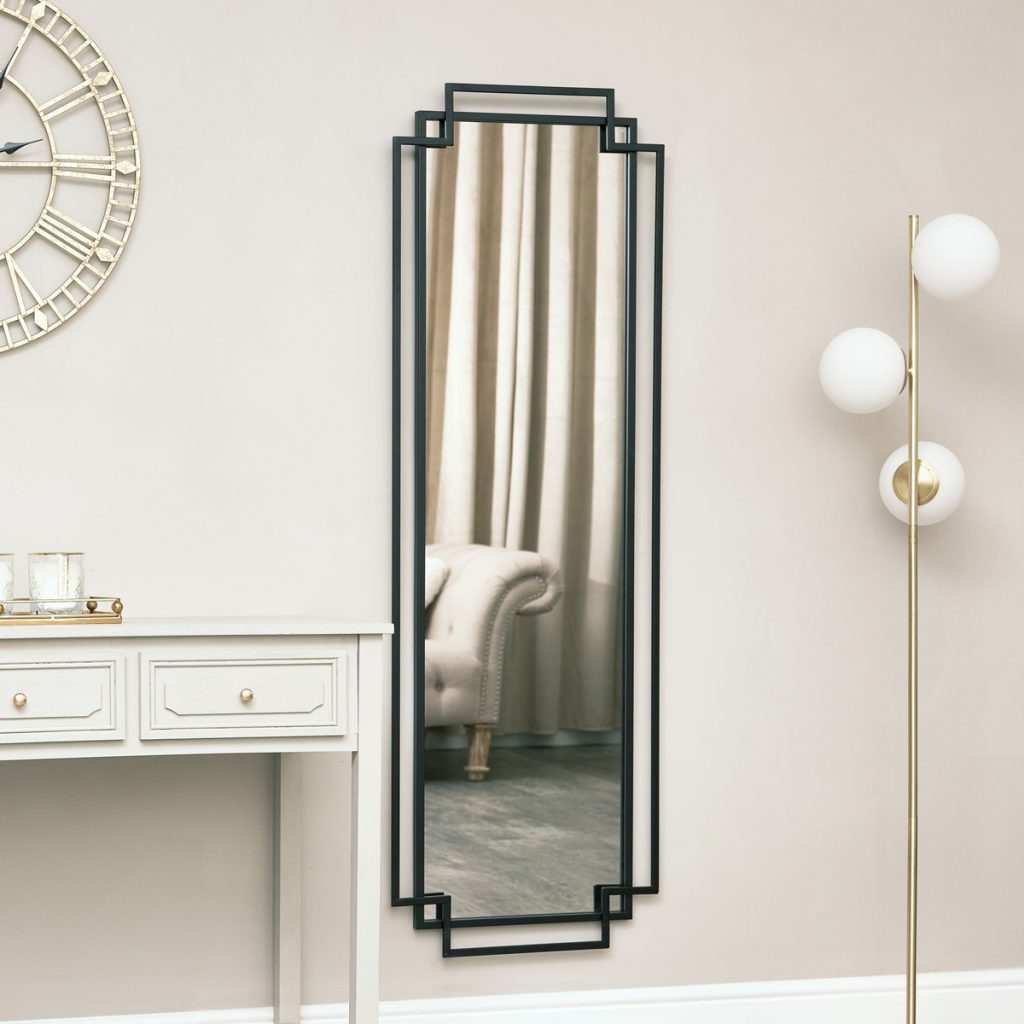
Credit: www.melodymaison.co.uk
Choosing The Right Mirror
Choosing the right mirror is important before mounting it on the wall. The mirror should fit the space and match your room’s style. A good choice makes the room look better and keeps the mirror safe on the wall.
Consider Size And Weight
Pick a mirror size that fits your wall space well. Too big can crowd the room. Too small may look lost. Think about where you want to hang it. Measure the wall first.
Weight matters for safety. Heavy mirrors need strong hooks and anchors. Lighter mirrors are easier to hang. Check the mirror’s weight before buying. This helps you choose the right mounting tools.
Select Style And Frame
The mirror’s style should match your room’s look. Choose a frame that fits your decor. Simple frames suit modern rooms. Ornate frames work well in classic spaces.
Frame material affects both look and durability. Wood frames give warmth. Metal frames offer a sleek finish. No frame mirrors create a clean, open feel. Decide what style fits your taste and room design.
Gathering Necessary Tools
Gathering the right tools is the first step to wall mounting a mirror safely and securely. Having all tools ready saves time and avoids frustration. It helps to work smoothly and get good results.
Knowing which tools are necessary ensures the mirror stays in place. The right tools also protect the wall and the mirror from damage. Below are the essential tools and safety gear needed for the task.
Basic Tools Checklist
Start with a tape measure to mark the exact spot for the mirror. Use a pencil to make light marks on the wall. A level helps keep the mirror straight. Drill and drill bits are needed for making holes. Screwdrivers tighten screws securely. Anchors and screws hold the mirror firmly in place. Stud finder locates wall studs for stronger support.
Safety Equipment
Wear safety goggles to protect eyes from dust and debris. Gloves protect hands from sharp edges and tools. Use a dust mask to avoid inhaling particles while drilling. Keep a first aid kit nearby in case of minor cuts. Ensure the work area is clean and free of trip hazards.
Preparing The Wall
Preparing the wall is the first step to a secure mirror mount. The right prep keeps the mirror steady and safe. It also helps the mirror look great on your wall. Take time to do this well. It saves effort later and avoids damage.
Find The Ideal Location
Choose a spot with good lighting. Natural light makes the mirror shine. Avoid placing the mirror where it can get wet. Bathrooms need careful spot selection. Pick a height that fits your needs. Make sure the mirror won’t block doors or windows. Think about the room’s style too. The right place enhances the whole space.
Check Wall Material
Know what type of wall you have. Drywall, plaster, brick, or concrete all differ. Each needs a special tool or anchor. Drywall often needs wall plugs or anchors. Brick and concrete require a drill with a masonry bit. Check for pipes or wires inside the wall first. Use a stud finder to locate studs. Mounting on studs offers the strongest hold.
Marking The Mounting Points
Marking the mounting points is an important step in wall mounting a mirror. It ensures the mirror hangs straight and stays secure on the wall. Taking time to mark accurately saves effort and prevents mistakes.
Measure And Level
Start by measuring the distance between the mirror’s hanging brackets. Use a tape measure for exact numbers. Next, decide the height on the wall where the mirror will hang.
Use a spirit level to draw a straight horizontal line. This line shows where the mounting points should align. Double-check measurements to avoid crooked placement.
Use Templates Or Guides
Many mirrors come with paper templates for mounting points. Tape the template on the wall at the desired height. Mark the holes on the wall through the template.
If no template is available, create one with cardboard. Cut holes where screws will go. This guide helps mark points quickly and accurately.
Installing Anchors And Hooks
Installing anchors and hooks is a key step in wall mounting a mirror. These tools hold the mirror securely on the wall. Without proper anchors and hooks, the mirror may fall and break. Choosing the right type and installing them correctly ensures safety and stability. Follow the simple steps below to do it right.
Choose Suitable Anchors
Select anchors based on your wall type. Drywall needs plastic or metal anchors. Concrete or brick walls require heavy-duty anchors. Check the weight of the mirror before buying anchors. Use anchors that can hold more than the mirror’s weight. This prevents accidents and damage. Small mirrors need smaller anchors. Large or heavy mirrors need stronger, larger anchors.
Proper Installation Techniques
Mark the spots where you want to place the anchors. Use a pencil and a level for accuracy. Drill holes slightly smaller than the anchor size. Insert anchors fully into the holes. Screw hooks into the anchors tightly. Avoid over-tightening to prevent wall damage. Test the hooks by gently pulling before hanging the mirror. This ensures the anchors hold firmly and safely.
Hanging The Mirror
Hanging a mirror on the wall needs care and the right tools. A mirror is heavy and fragile. It must be attached safely to avoid accidents. The goal is to keep the mirror level and secure.
Choosing the right method helps. It depends on the mirror size, weight, and wall type. Here are the best ways to hang a mirror.
Secure Attachment Methods
Use strong hooks or brackets made for mirrors. Picture hooks work for light mirrors. For heavier mirrors, use wall anchors or toggle bolts. These hold more weight securely. Attach D-rings or wire on the mirror back. Then hang on the hooks or screws. Check if the hooks fit the wall type. Drywall needs anchors. Studs hold more weight.
Adjust For Alignment
Place the mirror on the wall. Step back and see if it looks straight. Use a level tool for accuracy. Adjust hooks or wire if the mirror tilts. Small moves make a big difference. Tighten screws once aligned perfectly. Check the mirror from different angles. Ensure it does not wobble or lean. Correct alignment makes the room look neat.
Safety Tips And Maintenance
Mounting a mirror on the wall adds style and space to any room. Keeping it safe and clean protects your investment and home. Follow basic safety tips and maintenance steps to avoid damage and keep your mirror bright.
Preventing Damage
Choose the right mounting hardware for your mirror’s size and weight. Use anchors for heavy mirrors to secure them firmly. Avoid hanging mirrors where they might bump or fall easily. Check the mounting often to ensure it stays tight and stable. Keep children and pets away from the mirror area to prevent accidents. Use a soft cloth to test the mirror’s stability after installation.
Cleaning And Upkeep
Clean your mirror with a soft, lint-free cloth to avoid scratches. Use a gentle glass cleaner or a mix of water and vinegar. Spray cleaner on the cloth, not directly on the mirror. Wipe in a circular motion for a streak-free shine. Avoid harsh chemicals that can damage the glass or frame. Dust the frame regularly to keep it looking fresh. Check the mirror edges for chips or cracks and fix them quickly.

Credit: www.reddit.com
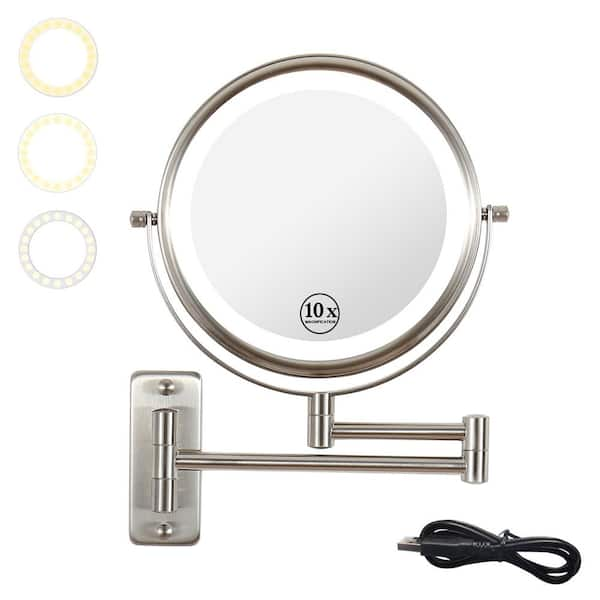
Credit: www.homedepot.com
Frequently Asked Questions
What Tools Are Needed To Wall Mount A Mirror?
To wall mount a mirror, you need a drill, level, measuring tape, screws, anchors, and mounting brackets. These tools ensure secure and precise installation. Using the right tools prevents damage to walls and keeps the mirror safely in place.
How Do I Choose The Right Wall Anchors For Mirrors?
Choose wall anchors based on your wall type and mirror weight. Drywall anchors work for light mirrors, while heavy mirrors need toggle or molly bolts. Proper anchors prevent the mirror from falling and protect your walls from damage.
What Is The Best Height To Hang A Mirror?
Hang mirrors at eye level, typically 57 to 65 inches from the floor. This height allows for comfortable viewing and enhances room aesthetics. Adjust height based on mirror size and wall space for best results.
Can I Mount A Mirror On Drywall Without Studs?
Yes, but use strong drywall anchors like toggle bolts or molly bolts. These provide extra support for heavy mirrors. Avoid just screws in drywall, as they may not hold the weight safely.
Conclusion
Mounting a mirror on the wall adds style and space to any room. Choose the right tools and follow the steps carefully. Measure twice to place the mirror evenly and safely. Use strong hooks or anchors that fit your wall type.
Take your time to avoid mistakes and damage. A well-mounted mirror can brighten your space and make it look bigger. Enjoy the fresh look and easy care of your new mirror setup. Simple steps make a big difference in your home’s look.