

Want to add a full-length mirror to your wall but don’t know where to start? Mounting a mirror might seem tricky, but with the right steps, you can do it yourself safely and easily.
Imagine having your reflection perfectly framed on the wall, making your room look bigger and brighter. In this guide, you’ll discover simple tricks to mount your mirror securely, avoid common mistakes, and choose the best spot for maximum impact. Keep reading to transform your space with confidence!

Credit: bona-store.com
Choosing The Right Mirror
Choosing the right full length mirror is important before mounting it on your wall. The mirror should fit your space and style. It must be safe and easy to install. This section helps you pick the best mirror for your room and wall type.
Types Of Full Length Mirrors
There are many types of full length mirrors. Some have simple frames, while others have decorative edges. Frameless mirrors give a modern look. Wooden frames add warmth and classic style. You can find mirrors with metal frames for a sleek finish. Choose a style that matches your room décor.
Some mirrors come with stands. These are not made for wall mounting but can inspire your choice. Wall-mounted mirrors save space and look neat. Pick a mirror designed for hanging to avoid accidents.
Size And Weight Considerations
Measure the wall space before buying a mirror. The mirror should fit comfortably without crowding the wall. A very large mirror may need extra support. Check the mirror’s weight on the label or product description.
Heavy mirrors require strong wall anchors or screws. Light mirrors can hang on simple hooks. Think about the wall material too. Drywall needs special anchors for heavy mirrors. Brick or concrete walls require drill and plug anchors.
Choosing the right size and weight mirror makes mounting easier. It keeps the mirror secure and safe for your home.
Selecting The Ideal Location
Selecting the ideal location for your full-length mirror is key to its function and look. The right spot makes the mirror useful and adds style to your room. Think about the wall type and surface, plus the lighting and space around the mirror. These details help you pick the best place to mount your mirror.
Wall Material And Surface
Check what type of wall you have before mounting. Drywall is common but needs anchors for heavy mirrors. Brick or concrete walls need special drill bits and screws. Smooth surfaces hold mirrors better than textured ones. Avoid walls with wallpaper that might tear. A solid, flat wall keeps your mirror safe and steady.
Lighting And Space Factors
Good lighting makes your mirror more useful. Place it where natural or artificial light brightens your reflection. Avoid dark corners or glare from windows. Leave enough space around the mirror so you can stand back. A clear area helps you see your full outfit easily. Think about walking paths to avoid bumps or accidents.
Gathering Necessary Tools And Materials
Before mounting a full-length mirror, gather all tools and materials. This step saves time and avoids interruptions. Having everything ready makes the process smoother. Below are key items needed for a safe and secure installation.
Mounting Hardware Options
Choose the right hardware for your wall type. Common options include screws, anchors, and brackets. Drywall anchors work for hollow walls. For concrete or brick, use masonry anchors. Some mirrors come with special mounting kits. Check the mirror’s weight to select strong hardware. Proper hardware ensures the mirror stays firmly in place.
Safety Equipment
Protect yourself during installation. Safety glasses shield your eyes from dust and debris. Gloves prevent cuts from sharp edges. Use a dust mask if drilling creates dust. A sturdy ladder or step stool helps reach high spots. Keep your workspace clear to avoid trips. Safety gear reduces injury risks while mounting your mirror.
Preparing The Wall And Mirror
Preparing the wall and mirror is the first step to a safe and perfect installation. Taking time here helps avoid damage and ensures the mirror stays secure. This stage includes cleaning the surface, marking the spot, and checking the wall’s strength. Each task matters for a smooth mounting process.
Cleaning And Marking Placement
Start by cleaning the wall and mirror surface. Use a soft cloth with mild soap and water. Dirt or dust can stop the mirror from sticking well or cause marks later. Let everything dry completely before moving on.
Next, decide where the mirror will hang. Use a pencil to mark the top edge lightly. Measure carefully from the floor or nearby furniture for balanced placement. Double-check the marks to avoid mistakes.
Checking For Studs And Anchors
Find wall studs to hold the mirror securely. Studs provide strong support and prevent accidents. Use a stud finder or tap the wall gently to hear solid spots. Mark these locations clearly.
If no studs are available, choose the right anchors for your wall type. Drywall anchors or toggle bolts work well for heavy mirrors. This step keeps the mirror firmly attached and safe over time.
Step-by-step Mounting Process
Mounting a full-length mirror on the wall is easy with the right steps. Follow this clear process to hang your mirror safely and straight. Each step ensures your mirror stays secure and looks great.
Measuring And Marking Drill Points
First, measure the mirror’s width and height. Mark the wall where you want the mirror to hang. Use a pencil to mark drill points. Make sure the marks are level and spaced evenly.
Drilling And Installing Anchors
Use a drill to make holes at the marked points. Choose drill bits that match your wall anchors. Insert anchors into the holes for extra support. Tap them gently until they are flush with the wall.
Attaching Mounting Brackets
Screw the mounting brackets into the wall anchors. Tighten screws so brackets are firm but do not overtighten. Check that the brackets are level and aligned. Brackets will hold the mirror securely in place.
Securing The Mirror To The Wall
Lift the mirror carefully and align it with the brackets. Hook or screw the mirror onto the brackets as needed. Confirm the mirror is stable and does not move. Adjust if necessary for perfect positioning.
Ensuring Stability And Safety
Mounting a full-length mirror on the wall needs careful attention to stability and safety. A loose mirror can fall and cause injury or damage. Taking the right steps ensures your mirror stays secure and safe for everyone.
Testing The Mirror’s Firmness
After mounting, gently shake the mirror to check its hold. It should not move or wiggle. Press near the edges and center to feel for any looseness. Use a level to confirm it stays straight. Tighten screws or brackets if needed. Test firmness regularly to keep it secure over time.
Tips To Prevent Accidents
Choose strong wall anchors for heavy mirrors. Avoid weak drywall alone. Keep the mirror away from high-traffic areas to reduce bumps. Use safety brackets or straps for extra security. Place the mirror at a safe height to avoid knocking. Warn children about the mirror’s fragility. Regularly inspect the mounting for signs of wear or damage.
Maintenance And Care Tips
Proper care keeps your full length mirror looking great and safe on the wall. Small steps help protect the glass and frame. Regular attention prevents damage and extends the mirror’s life.
Cleaning The Mirror Surface
Use a soft, lint-free cloth to clean the mirror. Avoid paper towels; they can scratch the glass. Spray a small amount of glass cleaner or a mix of water and vinegar onto the cloth. Wipe the mirror gently in circular motions. Do not spray cleaner directly on the mirror. This prevents liquid from seeping behind the glass and causing damage. Clean the mirror weekly or when you see dust or smudges.
Checking Mounts Periodically
Inspect the mirror mounts every few months. Look for loose screws or brackets. Tighten any parts that feel loose. Make sure the mirror hangs straight and steady. Check the wall for cracks or damage near the mounts. Secure mounts keep the mirror safe and prevent accidents. Replace any worn or damaged hardware immediately.
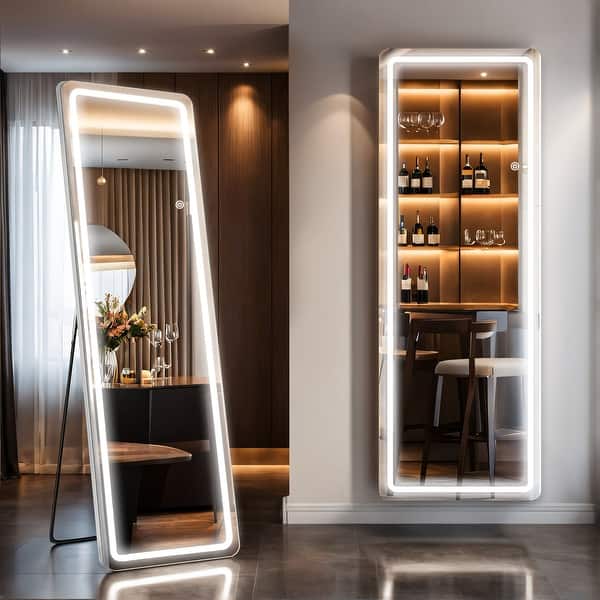
Credit: www.bedbathandbeyond.com

Credit: www.amazon.com
Frequently Asked Questions
How Do I Safely Mount A Full Length Mirror?
Use wall anchors and screws suitable for your wall type. Always measure and mark the mounting points accurately. Secure the mirror with brackets or heavy-duty hooks to prevent slipping or falling.
What Tools Are Needed To Hang A Full Length Mirror?
You need a drill, screwdriver, level, measuring tape, pencil, wall anchors, and screws. These tools ensure accurate placement and secure mounting of your mirror.
Can I Mount A Full Length Mirror On Drywall?
Yes, use drywall anchors or toggle bolts to support the mirror’s weight. Avoid just nails or regular screws, as they may not hold securely.
How High Should I Hang A Full Length Mirror?
Mount the mirror so its bottom edge is about 4 to 6 inches off the floor. This height allows a full view while standing comfortably.
Conclusion
Mounting a full-length mirror on your wall can change your space a lot. Follow the steps carefully for a safe and strong hold. Choose the right tools and check the wall type first. Take your time to measure and mark spots clearly.
Use anchors if the wall is drywall. A well-mounted mirror adds light and space to any room. Enjoy seeing yourself clearly every day. Simple work, great results.