

Use insulation, sunlight, airflow, and small safe heat sources to warm a room fast.
I’ve spent years testing simple, low-cost ways to heat a room without a space heater. In this guide I will share clear steps, easy fixes, and lived experience to help you raise comfort and cut energy waste. Whether you rent or own, you’ll find practical tips on how to heat a room without a space heater that work today and save money over time.
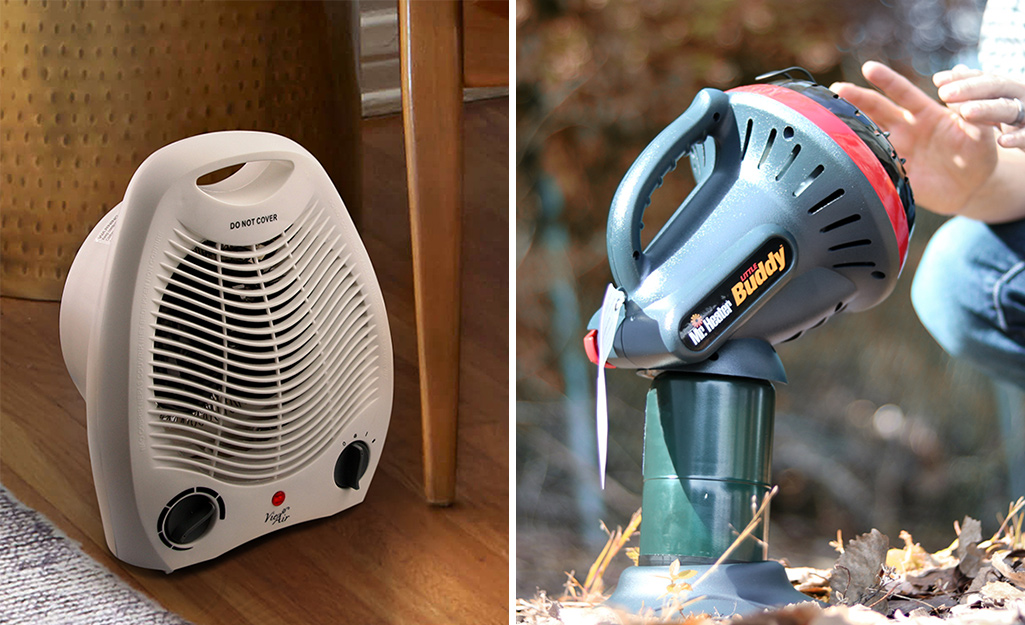
Why choose to heat a room without a space heater?
Space heaters can be costly to run. They can also pose fire risks if used improperly. Learning how to heat a room without a space heater helps you stay safe, lower bills, and rely more on passive and efficient solutions. I’ll walk you through fast fixes and longer-term upgrades you can do with everyday tools and a small budget.
Quick, practical ways to heat a room without a space heater
These tactics work alone or together. Use the ones that fit your space and budget. Below are fast wins that I use first when a room feels cold.
- Close drafts at night. Use thick towels or draft snakes at the base of doors to block cold air and keep warmed air in.
- Cover windows with heavy curtains. Thick, lined curtains trap heat and block cold radiation from glass.
- Use sunlight. Open curtains on sunny days to let sunlight warm floors and walls. Close curtains at dusk to keep that heat inside.
- Layer rugs and textiles. Put area rugs on bare floors and add extra blankets to sofas and chairs to reduce heat loss through floors.
- Seal gaps around windows and doors. Peel-and-stick weatherstripping and caulk are cheap and fast to apply.
- Rearrange furniture. Move seating away from drafty walls and place chairs near interior walls that retain heat better.
- Keep doors closed to unused rooms. Zone your living space to focus heat where you spend time.
- Reverse ceiling fans on low. Set the fan to spin clockwise to push warm air down from the ceiling in winter months.
Each of these steps helps when you need to heat a room without a space heater quickly and safely.

Use passive solar heat and daylight effectively
Passive solar heat is free and reliable. It’s one of the best ways to heat a room without a space heater.
- Maximize daytime gain. Open south- and west-facing curtains during sunny hours.
- Store heat in thermal mass. Use heavy floors, large stones, or water containers to absorb heat during the day and release it slowly at night.
- Block cold at night. Close curtains and blinds as the sun sets to keep warmth inside.
- Add reflective surfaces. Place a light-colored rug or a reflective board near windows to bounce extra light into the room.
I once left a large ceramic vase filled with water in a sunny window. It held warmth after sunset and made evenings feel less chilly. Small moves like this add up when you want to heat a room without a space heater.

Circulate warm air and balance heating
Warm air pools at the ceiling. Moving it improves comfort without extra heat.
- Use ceiling fans on low clockwise. This pushes warm air down without making you feel cold.
- Position box fans carefully. Pull warmer air from interior rooms to colder rooms through open doors.
- Open interior doors when heating with central systems. Let the house share heat, then close unused rooms to conserve.
- Install radiator reflectors. Thin panels behind radiators reflect heat back into the room instead of through walls.
From experience, just running a fan on low and closing a couple of doors makes a room feel noticeably warmer. These small tricks help you heat a room without a space heater by making the existing warmth work harder.
Safe small heat sources and tricks (no space heater)
If you need extra warmth, choose options that are safe and efficient.
- Warm water bottles. Fill with hot water and tuck into blankets or under a desk to warm a small area.
- Heated mattress pads or electric blankets. Use them while stationary and follow safety labels. Turn off when not needed.
- Use your oven safely. After cooking, leave the oven door open with the stove off to let residual heat warm the kitchen area for a short time. Be mindful of safety and fumes.
- Warm drinks and hot food. A warm mug in your hands helps you feel warmer quickly.
- Insulated tents or fort. A small indoor pop-up tent or blanket fort traps body heat and makes a cozy microclimate.
Avoid unsafe heat sources like unvented gas heaters, candles as primary heat, or ovens for long-term heating. I once tried candles for warmth and found they barely help and increase risk. Stick to low-risk options to heat a room without a space heater.
Long-term upgrades to retain heat and improve efficiency
If you want lasting improvement, invest in simple home upgrades that reduce heat loss. These can make the difference if you often need to heat a room without a space heater.
- Add insulation. Insulate attic, walls, and crawlspaces to reduce overall heat loss.
- Improve window efficiency. Install storm windows, use window film, or upgrade to double-pane windows.
- Weatherstrip doors and windows. Proper sealing cuts drafts and saves energy.
- Insulate floors and rim joists. Heat loss through floors is often overlooked, especially in older homes.
- Service your heating system. A tuned system runs more efficiently and distributes heat better.
Research shows sealing drafts and improving insulation can cut heat loss substantially. If you rent, portable weatherstripping and curtains still make a notable difference.
Daily habits and clothing strategies that help
Your behavior matters as much as hardware when you learn how to heat a room without a space heater.
- Layer clothing. Wool and synthetic layers trap heat better than cotton.
- Keep feet warm. Slippers and socks reduce heat lost through the feet.
- Use blankets and throws. Drape them over sofas and chairs for quick access.
- Move more. Light activity raises body heat and makes you feel warmer without changing room temperature.
- Schedule heating times. Warm rooms when you need them, then lower heating when you sleep or are away.
Wearing a sweater and using a blanket while working cut down my temptation to turn up the thermostat. Small habit changes let you heat a room without a space heater and still feel cozy.
Cost and safety considerations
Be mindful of cost and safety when replacing or reducing space heater use.
- Compare costs. Running central heat at a slightly higher temperature briefly often costs less than electric space heaters for the same comfort.
- Watch electrical loads. Avoid overloading outlets with multiple high-draw devices.
- Follow manufacturer instructions. For heated blankets and pads, read labels and use timers.
- Keep flammable items away from heat sources. Even low-heat items can cause problems if placed incorrectly.
I once overloaded a power strip by mistake. It was a good reminder to manage plugs and use safer low-heat strategies when I needed to heat a room without a space heater.
Frequently Asked Questions of how to heat a room without a space heater
How can I make a room warmer quickly without a space heater?
Close doors and curtains, block drafts, and let sunlight in. Layer rugs and use warm clothing or a hot water bottle for immediate comfort.
Are electric blankets safe to use instead of a space heater?
Yes, when used according to the manufacturer’s instructions. Turn them off when not in use and avoid folding them while hot.
Will sealing windows really help heat a room?
Yes. Sealing gaps and adding weatherstripping reduces drafts and can significantly improve comfort and efficiency in a room.
Can I use the oven to heat my kitchen safely?
You can use residual heat after cooking for a short time by leaving the oven door open, but never use the oven as a primary heating source due to safety concerns.
Do rugs and curtains make a big difference?
Yes. Thick rugs and lined curtains reduce heat loss through floors and windows and make a room feel warmer without extra energy use.
Conclusion
You don’t need a space heater to make a room warm and cozy. Use a mix of quick fixes, passive solar gain, air circulation, safe small heat sources, and smart habits to raise comfort and save money. Start with draft sealing and heavy curtains, then add circulation and personal warmth strategies. Try one or two tips today and notice the difference in how your room feels.
Take action now: pick three tips from this guide and try them tonight. If you found this useful, leave a comment or subscribe to get more practical, low-cost ways to stay comfortable at home.