

A typical small space heater uses about 500–1,500 watts, costing roughly $0.08–$0.23 per hour at average US rates.
I’ve tested and studied heaters for years, so I’ll walk you through exactly how much electricity does a small space heater use, how to calculate real costs, and smart ways to save energy without freezing. This guide explains typical wattages, step-by-step math for kWh and cost, real-life examples, heater types, safety tips, and practical moves I’ve used to cut bills while staying warm. Read on to learn clear, usable answers and make smarter choices about small space heaters.
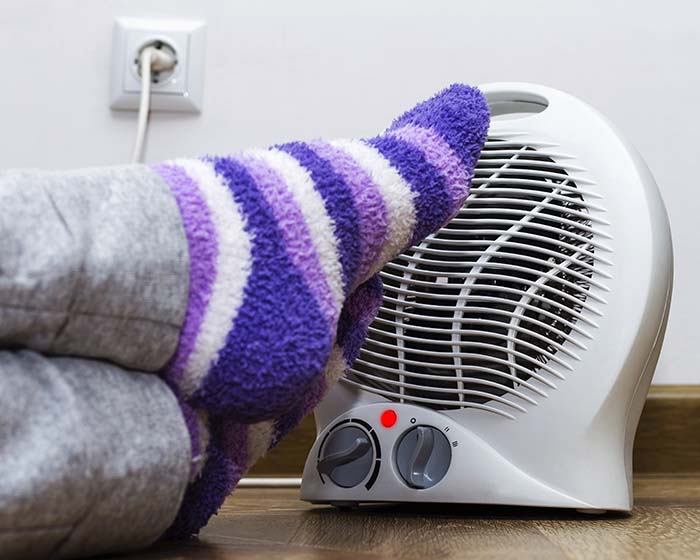
How much electricity does a small space heater use?
Most small space heaters draw between 500 watts and 1,500 watts. Lower-power models, like personal or travel heaters, often sit near 500W. Standard portable room heaters commonly run at 1,500W, which is the maximum many U.S. circuits tolerate for a single portable heater. So when asking how much electricity does a small space heater use, expect a range rather than a single number.
To convert watts to kilowatt-hours, divide watts by 1,000 and multiply by hours used. For example, a 1,500-watt heater used for two hours uses 3.0 kWh. The cost depends on your utility’s price per kWh. If your rate is $0.15/kWh, that 3.0 kWh run costs $0.45. This simple math answers how much electricity does a small space heater use in concrete terms.

How to calculate energy use and cost
Follow these steps to get your own numbers on how much electricity does a small space heater use.
- Find the heater’s wattage
- Look on the unit label or manual for watts (W) or amps (A). If amps are listed, multiply amps by voltage (typically 120V in the U.S.) to get watts.
- Convert watts to kilowatts
- Divide watts by 1,000 to get kW.
- Multiply by hours used
- kW × hours = kilowatt-hours (kWh), the unit your electric bill uses.
- Multiply by rate
- kWh × your price per kWh = cost.
Example calculations to show how much electricity does a small space heater use:
- 500W heater run for 4 hours: 0.5 kW × 4 h = 2.0 kWh → at $0.15/kWh = $0.30.
- 1,000W heater run for 3 hours: 1.0 kW × 3 h = 3.0 kWh → at $0.15/kWh = $0.45.
- 1,500W heater run for 8 hours: 1.5 kW × 8 h = 12.0 kWh → at $0.15/kWh = $1.80.
These steps make it easy to see how much electricity does a small space heater use in your home.
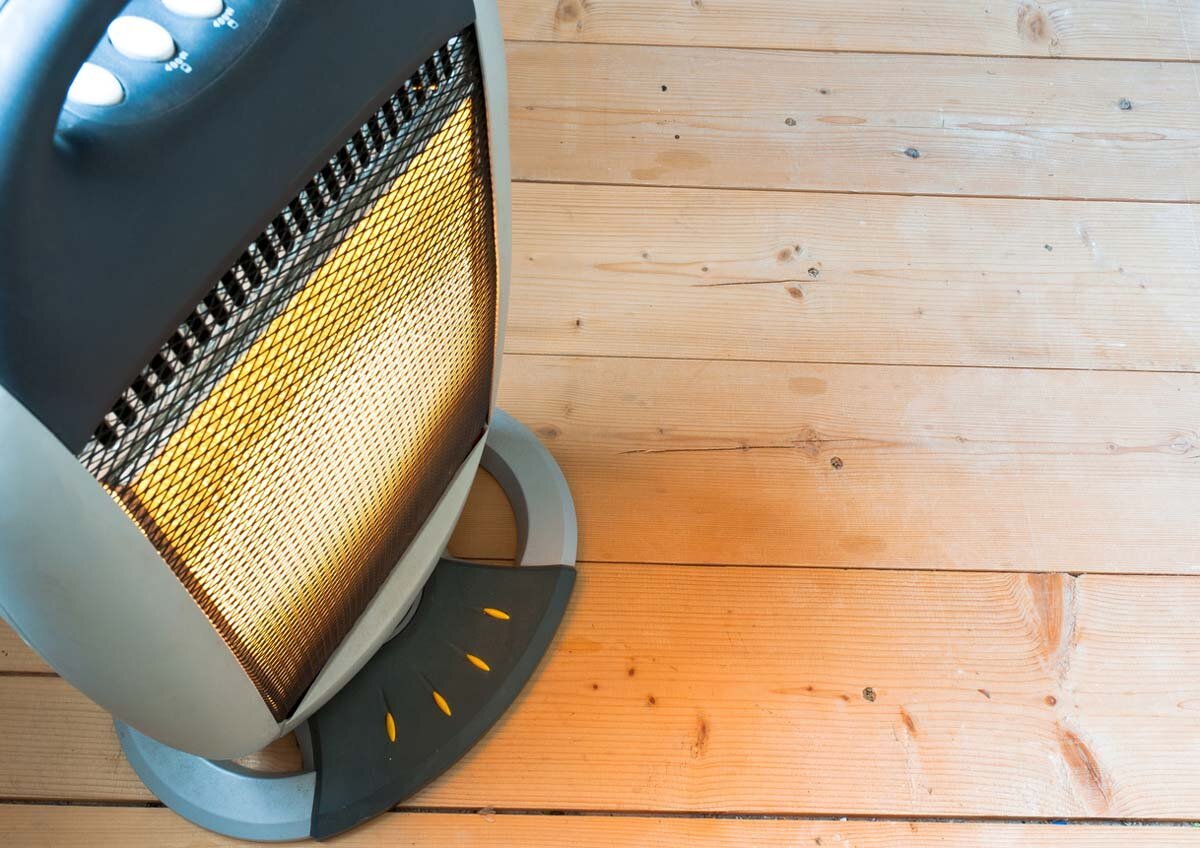
Typical costs by wattage and daily use
Below are practical examples to illustrate how much electricity does a small space heater use and the monthly cost at a common electricity rate of $0.15/kWh. Adjust the math for your local rate.
- 500W heater
- 4 hours/day → 0.5 kW × 4 h = 2.0 kWh/day → 30 days = 60 kWh → $9.00/month
- 1,000W heater
- 4 hours/day → 1.0 kW × 4 h = 4.0 kWh/day → 30 days = 120 kWh → $18.00/month
- 1,500W heater
- 4 hours/day → 1.5 kW × 4 h = 6.0 kWh/day → 30 days = 180 kWh → $27.00/month
These examples clarify how much electricity does a small space heater use over time. Small increases in hours add up quickly on your bill.
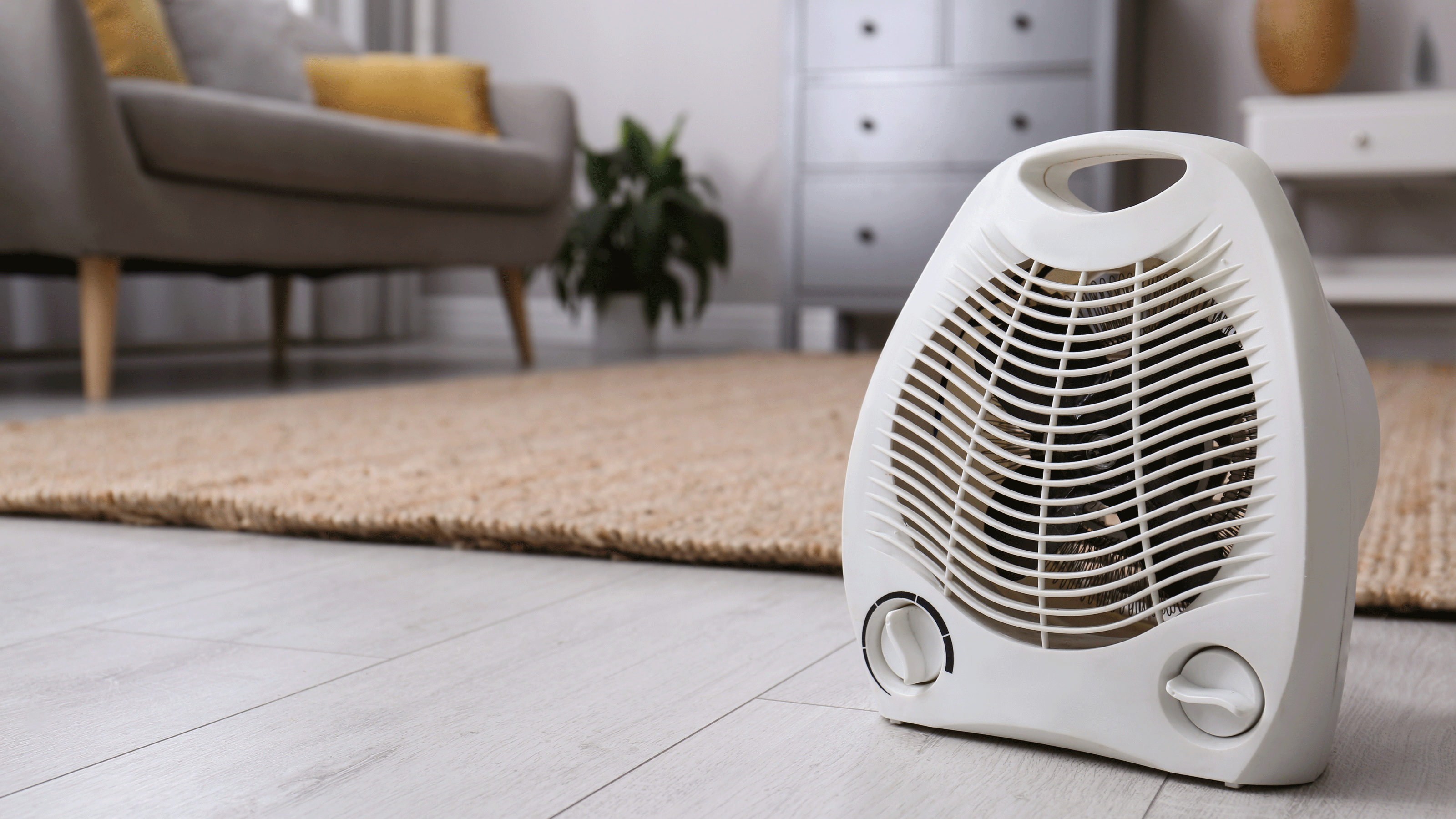
Types of small space heaters and their energy profiles
Different technologies affect how much electricity does a small space heater use and how comfortable a room feels.
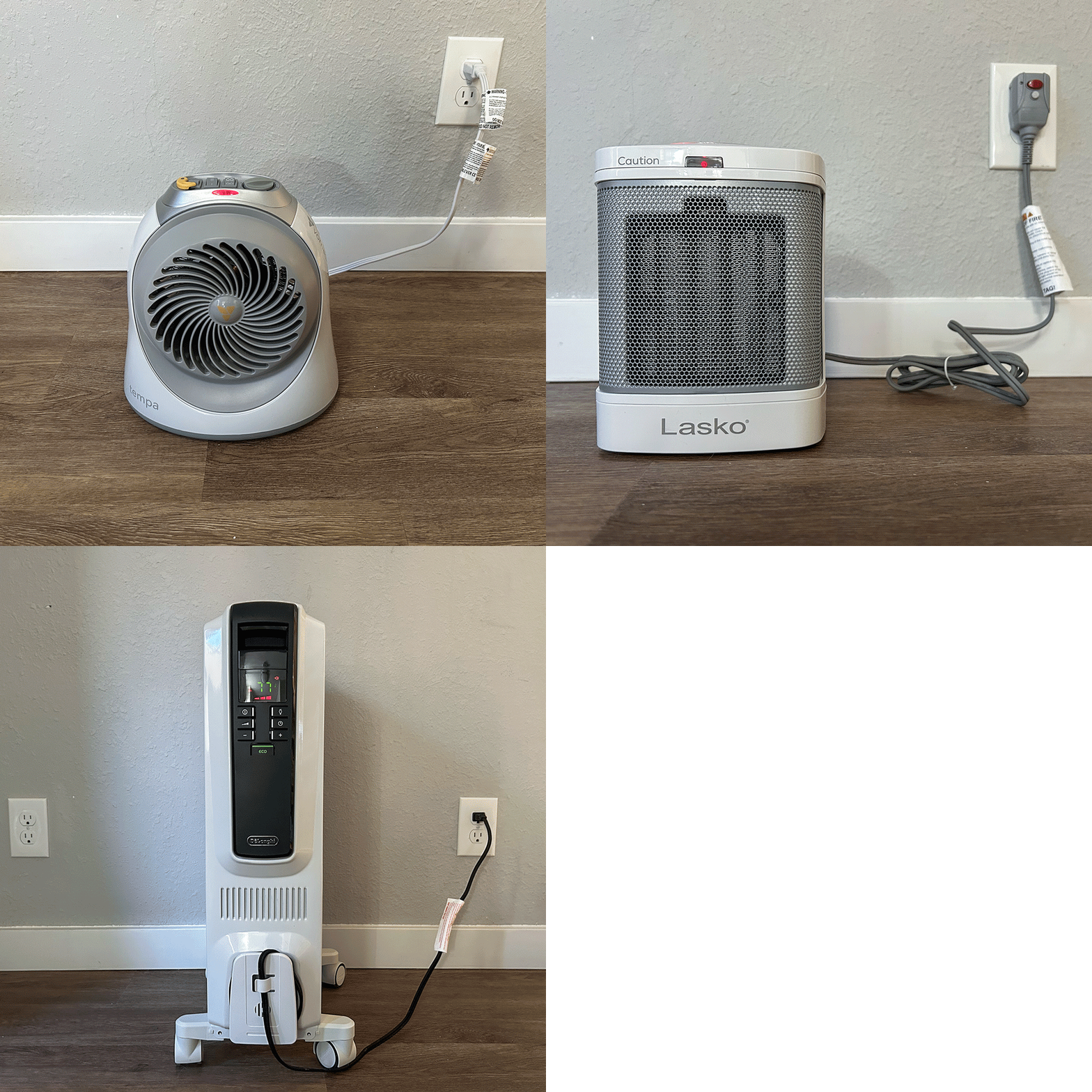
- Ceramic heaters
- Fast to heat and often include fans. Rated wattages vary from 500W to 1,500W. Good for quick spot heating.
- Infrared (radiant) heaters
- Heat objects and people directly. They can feel warmer at lower wattages and may lower energy use in targeted heating.
- Oil-filled (radiant convection)
- Slower to heat but maintain warmth longer after shutting off. Typically 600W–1,500W but use thermostat cycling to reduce average draw.
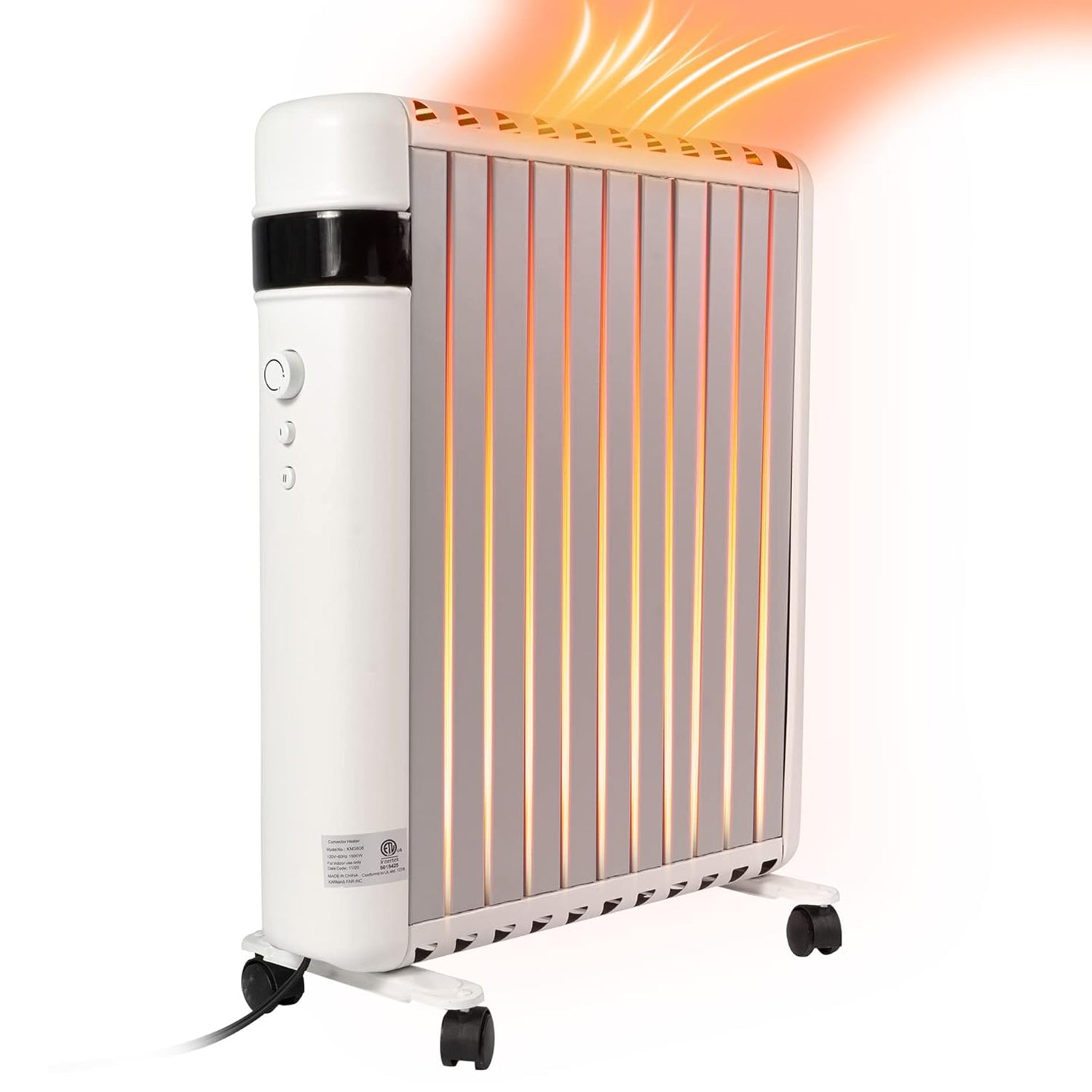
- Micathermic and panel heaters
- Slim profile and silent operation. Often more efficient at holding steady room temperature.
Knowing heater type helps you judge real-world energy use and answer how much electricity does a small space heater use in practical terms, not just on paper.
Practical tips to reduce electricity use
If you want to control how much electricity does a small space heater use, try these proven strategies.
- Use a thermostat or heater with auto-shutoff
- Let the heater cycle to maintain a steady temp instead of running full blast.
- Heat only occupied rooms
- Zone heating reduces the total hours any heater runs.
- Improve insulation and block drafts
- Sealing windows and doors makes heaters more effective.
- Lower the set point slightly
- Reducing target temperature by 2–3°F can cut energy use significantly.
- Use timers and occupancy sensors
- Run heaters only when needed to cut wasted hours.
- Combine with layers and rugs
- Personal warmth reduces need for high-power heating.
These tips help reduce how much electricity does a small space heater use while keeping you comfortable.
Safety, circuit limits, and real-life tips
Safety affects both energy use and cost. Overloading a circuit can trip breakers or create hazards. Most U.S. home circuits are 15–20 amps. A 1,500W heater at 120V draws about 12.5A. Running multiple high-draw devices on the same circuit is risky.
From personal testing, I learned these day-to-day rules for how much electricity does a small space heater use and how to use them safely:
- Plug the heater directly into a wall outlet, not an extension cord.
- Avoid using a 1,500W heater on a crowded circuit.
- Keep the heater clear of flammable materials and never leave it unattended.
- Choose a unit with tip-over and overheat protection for peace of mind.
Following these practices protects you and helps the heater use electricity efficiently.

My experience: a real-world example
I used a 1,500W ceramic heater in a 120-square-foot bedroom for two winters. I ran it three hours each evening and set the thermostat to maintain 68°F. After measuring, I found average daily use of 4.5 kWh. At $0.15/kWh, that added about $0.68 per day, or roughly $20 per month. Pairing the heater with a draft stopper and lowering an adjacent HVAC zone cut the heater’s run time by 30% and saved about $6 monthly.
This hands-on experience highlights how behavior and insulation determine how much electricity does a small space heater use in practice.

When a space heater is cost-effective
A small space heater can be a smart, low-cost choice if you:
- Heat only one or two occupied rooms.
- Use the heater instead of raising the whole-house thermostat.
- Pair it with good insulation and short run times.
If you run a heater for long stretches in a poorly insulated home, it may be cheaper to improve home heating or use your central system efficiently. Understanding how much electricity does a small space heater use helps you choose the best option.
Frequently Asked Questions of how much electricity does a small space heater use
How many watts does a typical small space heater use?
Most small space heaters use between 500 and 1,500 watts, with 1,500W being common for full-room portable units.
How do I calculate kWh for my space heater?
Divide the heater’s watts by 1,000 to get kW, then multiply by hours used to get kWh. Multiply kWh by your rate to find cost.
Is a 1,500W heater expensive to run?
A 1,500W heater costs about 1.5 kW × hours used. At $0.15/kWh, running for one hour costs roughly $0.225.
Do infrared heaters use less electricity?
Infrared heaters can feel warmer at lower wattages because they heat people and objects directly, which may reduce the needed runtime and lower energy use.
Will using a space heater increase my electric bill a lot?
It depends on wattage and hours used. Short, targeted heating adds modest costs; long continuous use in large or drafty spaces raises bills significantly.
Conclusion
You now know how much electricity does a small space heater use, how to calculate cost, and the practical steps to lower energy use. Small heaters typically draw 500–1,500 watts, and real cost depends on hours used and local kWh rates. Try targeted heating, use thermostats and timers, and improve insulation to get warmth without high bills. Put these tips into practice tonight, track your heater’s run time, and compare bills after a month to see the savings. If this helped, leave a comment with your heater type or subscribe for more practical energy-saving guides.